

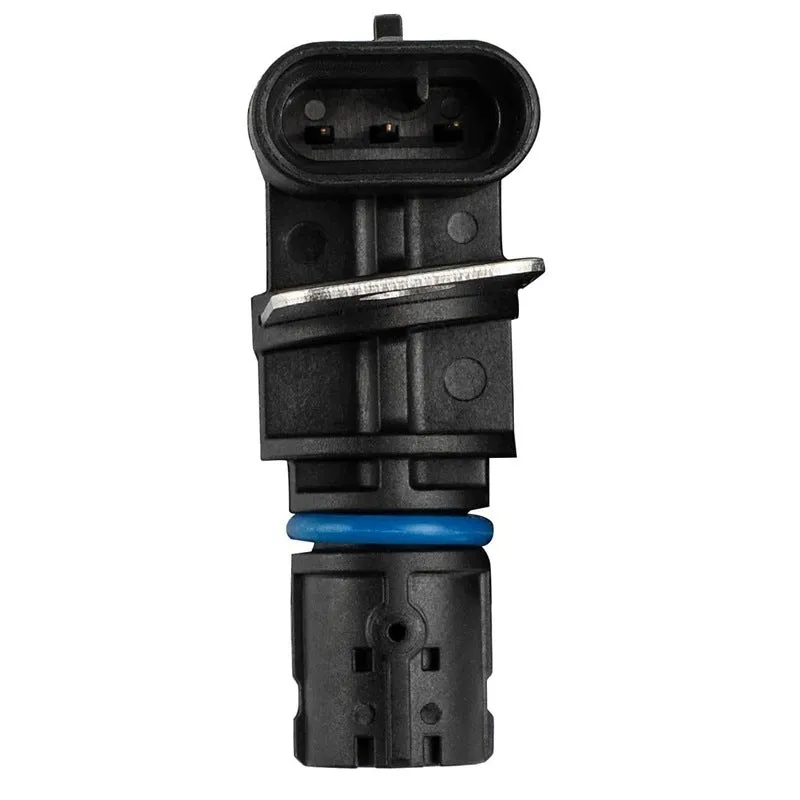
Automobile Crankshaft Position Sensor 12560228 213-354 replacement part for Buick Chevrolet vehicles, OE compatible engine sensor measuring 15 cm x 12 cm x 5 cm for powertrain control and engine management systems, includes one sensor unit.


Automobile Crankshaft Position Sensor 12560228 213-354 replacement part for Buick Chevrolet vehicles, OE compatible engine sensor measuring 15 cm x 12 cm x 5 cm for powertrain control and engine management systems, includes one sensor unit.
Crankshaft Position Sensor 12560228 213-354 for Buick and Chevrolet Vehicles

This crankshaft position sensor, identified by OE part number 12560228 213-354, is a critical replacement component for the engine management systems of specified Buick and Chevrolet models. When a crankshaft sensor fails, it can lead to a range of engine performance issues, including difficult starting, intermittent stalling, or a noticeable lack of power. This unit serves as a direct, compatible replacement, designed to restore the accurate monitoring of crankshaft rotation speed and position. With compact dimensions of 15 cm by 12 cm by 5 cm, it is engineered to fit within the constraints of the designated engine compartment, providing the essential data the vehicle's ECU requires for optimal fuel injection and ignition timing.
Features and Construction

This sensor is defined by its precise application and physical specifications, focusing on functional compatibility rather than decorative features.
Material and Build
While the specific materials used in the sensor's housing and internal electronics are not detailed, it is constructed as a dedicated automotive component intended for the harsh environment of an engine bay. This implies a design consideration for factors like heat resistance and vibration, common requirements for engine-mounted sensors. Its primary purpose is to reliably generate and transmit a signal corresponding to the crankshaft's position.
Size and Practical Fit
The sensor's dimensions are a key practical detail, provided as 15 cm in length, 12 cm in width, and 5 cm in height. This defined size is crucial for installers to verify clearance within the engine bay during the replacement procedure. It confirms the part is a direct physical match for the space occupied by the original equipment sensor it is designed to replace, ensuring a straightforward swap without modification.
Uses and Placement
This sensor has a single, highly specific function within the vehicle's broader operational system.
Event or Professional Use
For professional mechanics or technicians, this part is a service item used to resolve specific fault codes related to crankshaft position sensing. Its correct installation is a standard repair procedure for addressing engine performance complaints in the applicable Buick and Chevrolet models. It is a consumable component in automotive maintenance, replaced when diagnostic testing indicates a failure in the crankshaft position sensor circuit or signal.
Everyday Home Use
For the knowledgeable vehicle owner undertaking their own repairs, this sensor represents a targeted solution. Its purchase is prompted by symptoms like the engine failing to start, cutting out unexpectedly, or running roughly, often after these issues have been traced back to a faulty crankshaft sensor via an OBD-II code reader. Installation requires a basic understanding of automotive systems and appropriate tools.
Benefits and Buying Value

The value of this component lies in its specificity and role in restoring vehicle functionality.
Reuse and Low Maintenance
As an electronic sensor, it is not a part designed for ongoing maintenance or cleaning; it is a replaceable unit. Its value is realised through a single installation that rectifies a specific fault. There is no stated service interval or cleaning procedure; its lifespan is determined by operational conditions and manufacturing quality.
Why Choose This Product
This sensor is chosen for its direct OE number compatibility (12560228 213-354) and confirmed application for Buick and Chevrolet vehicles. The clear dimensional data allows for pre-installation verification of fit. It addresses a clear mechanical need—restoring the engine control unit's access to vital crankshaft data—without claiming unrelated benefits. The purchase is justified by the necessity of the part to solve a defined engine management problem.
