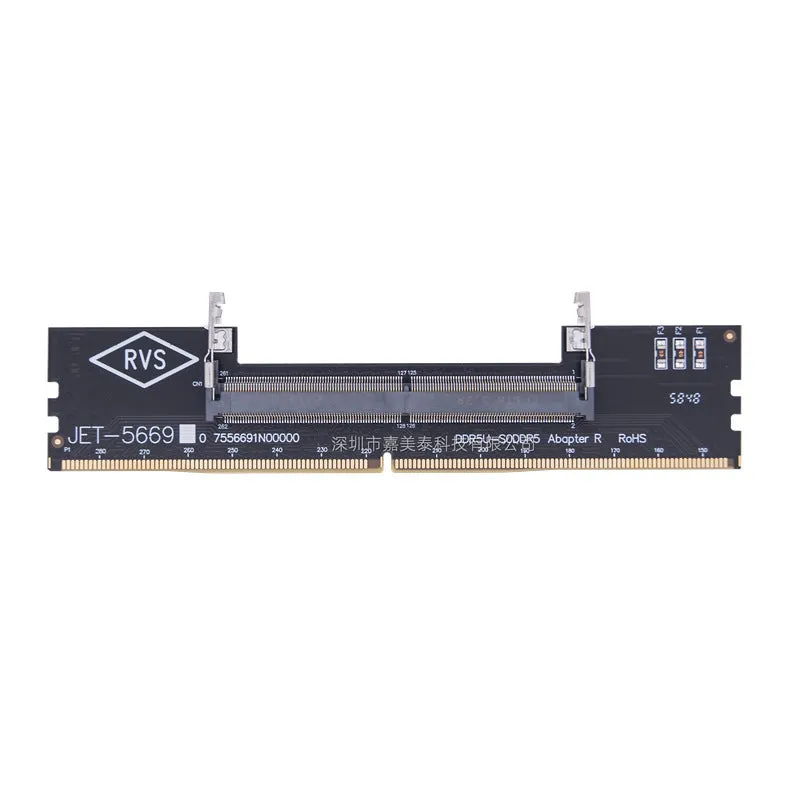
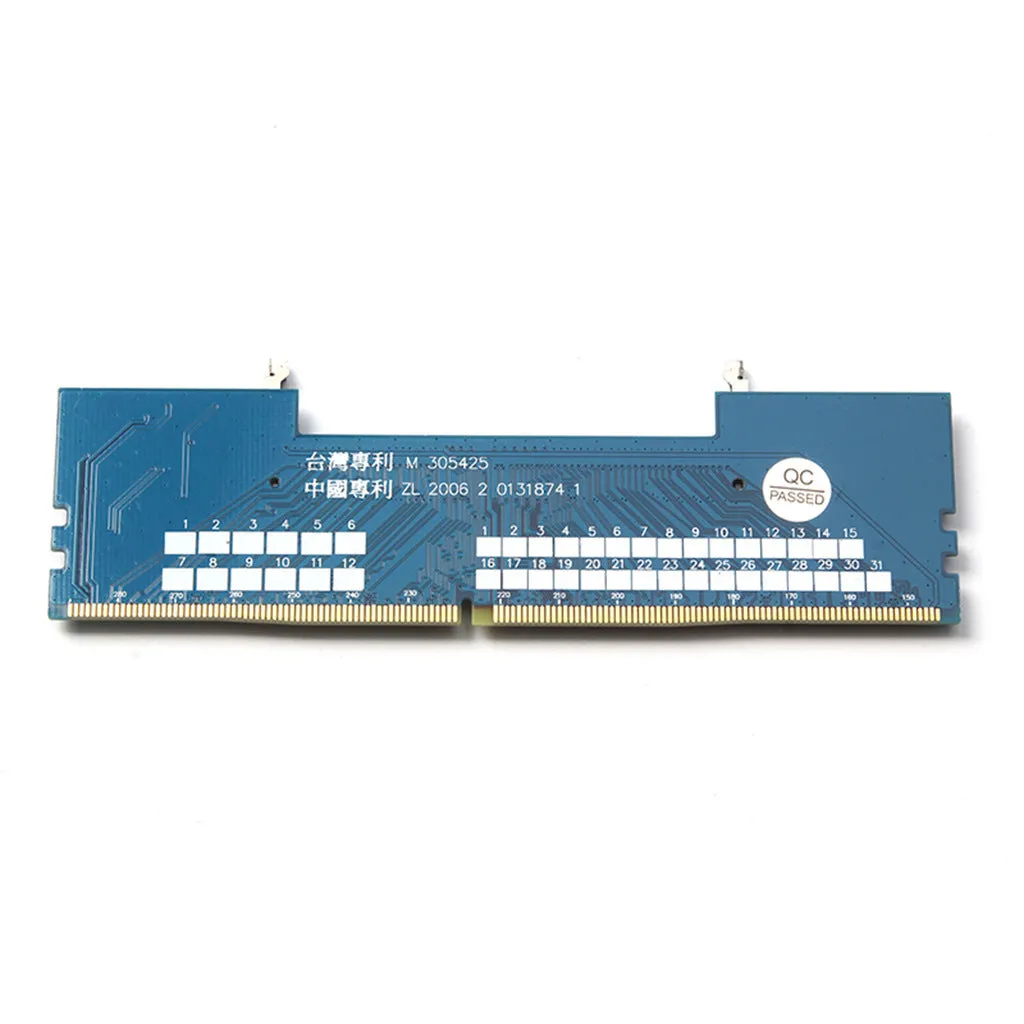
DDR4 Laptop Memory Adapter Card to Desktop Motherboard Interface Converter with Electrostatic Protection for Testing and Protection During Memory Transfer Between Systems


DDR4 Laptop Memory Adapter Card to Desktop Motherboard Interface Converter with Electrostatic Protection for Testing and Protection During Memory Transfer Between Systems
DDR4 Laptop to Desktop Memory Adapter Card with Electrostatic Protection for System Testing and Transfer
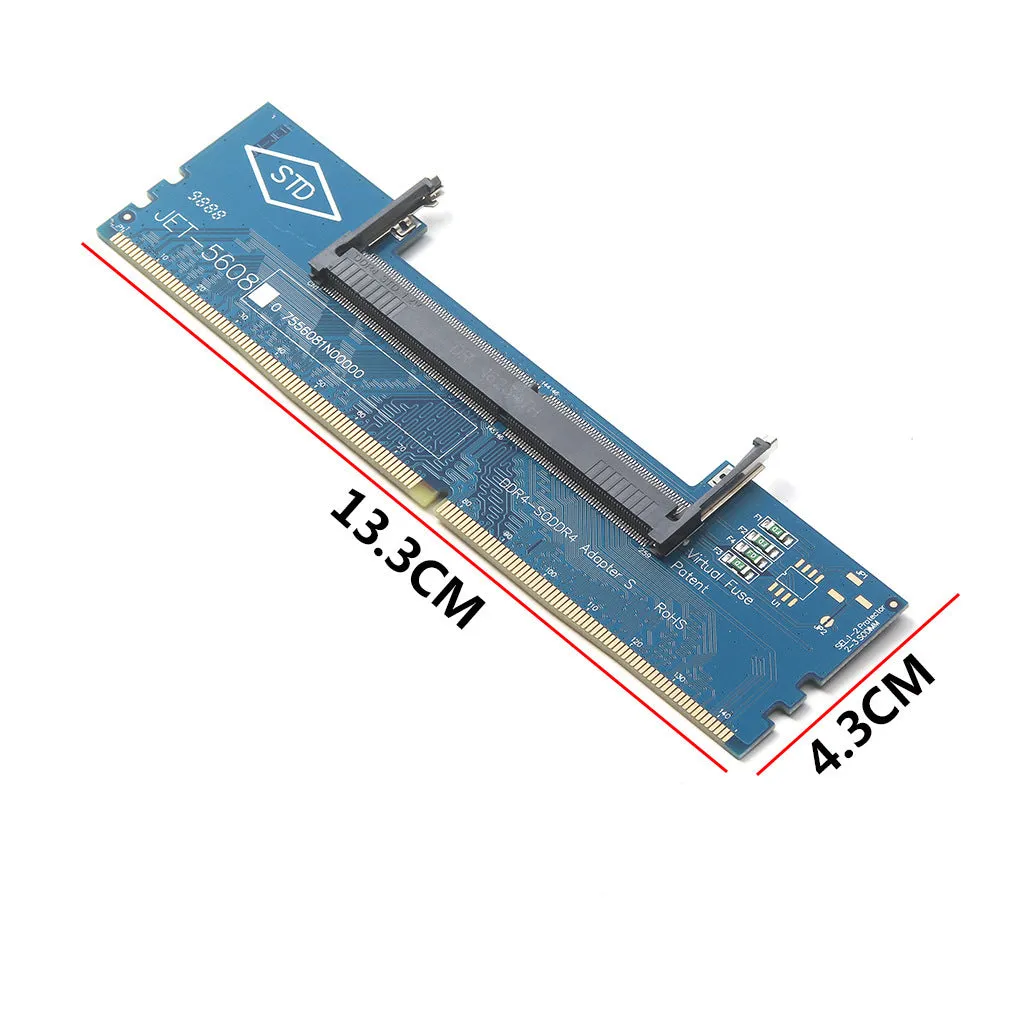
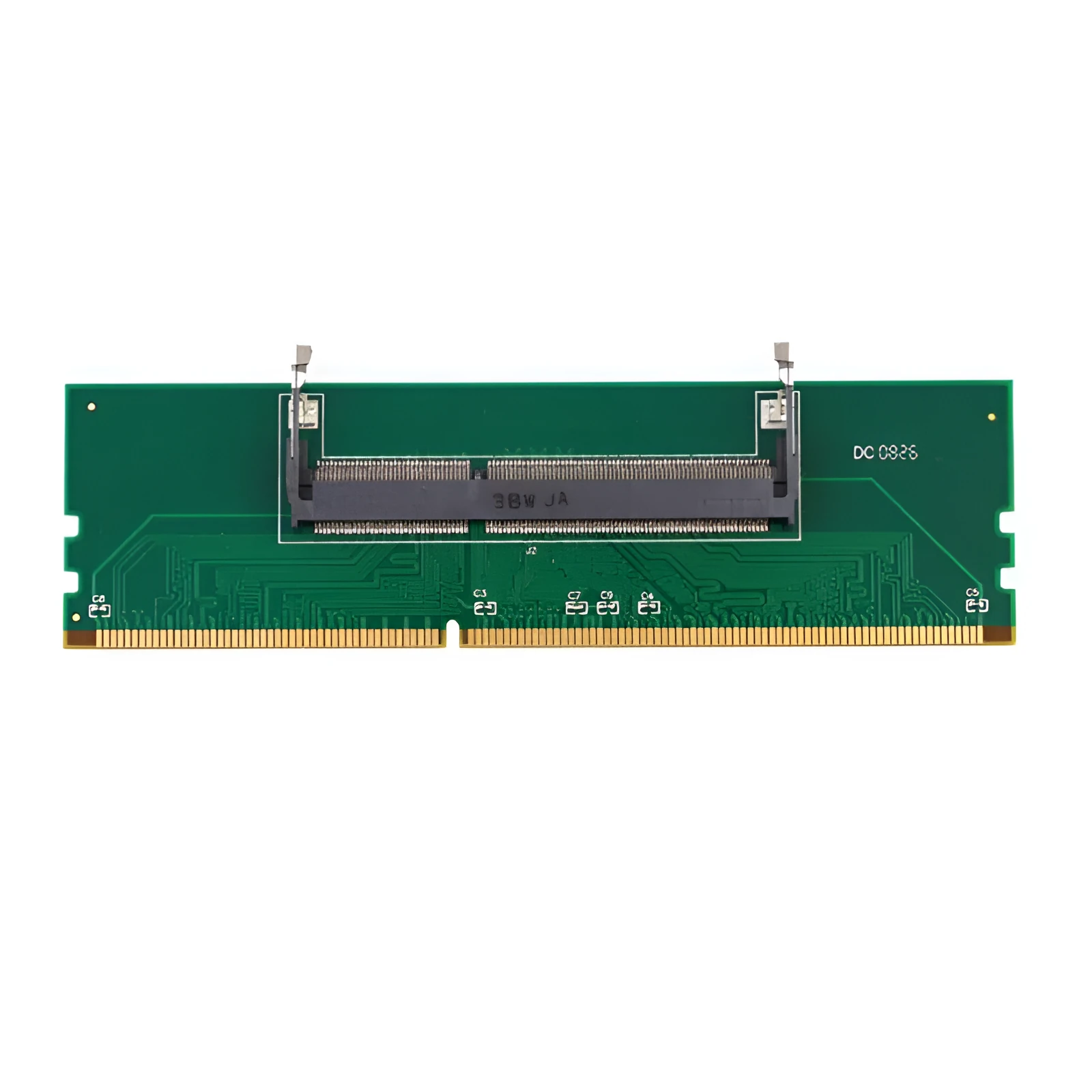
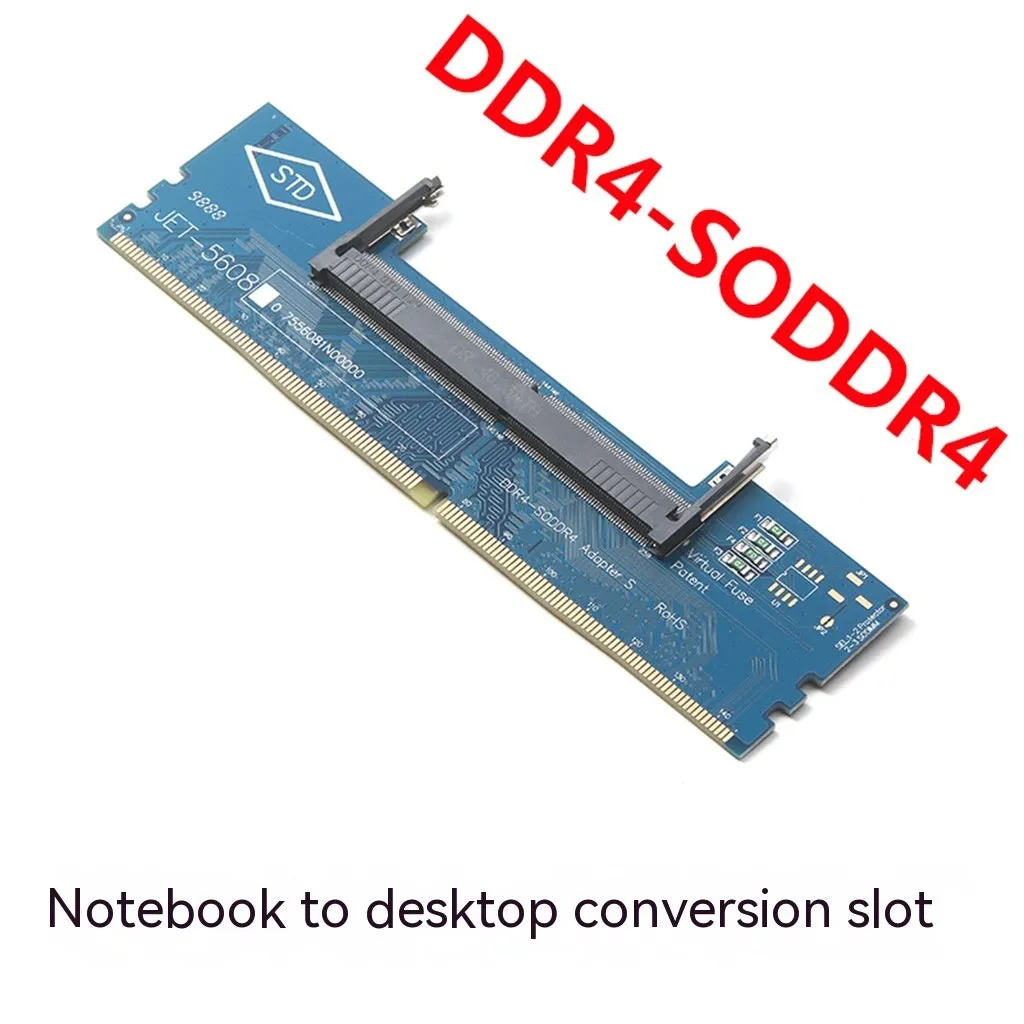
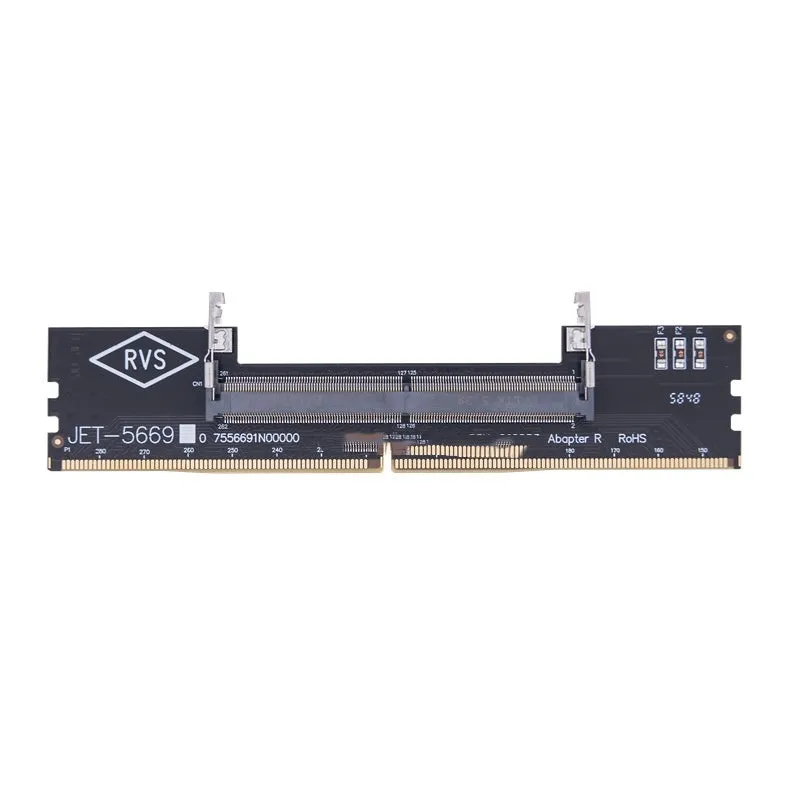
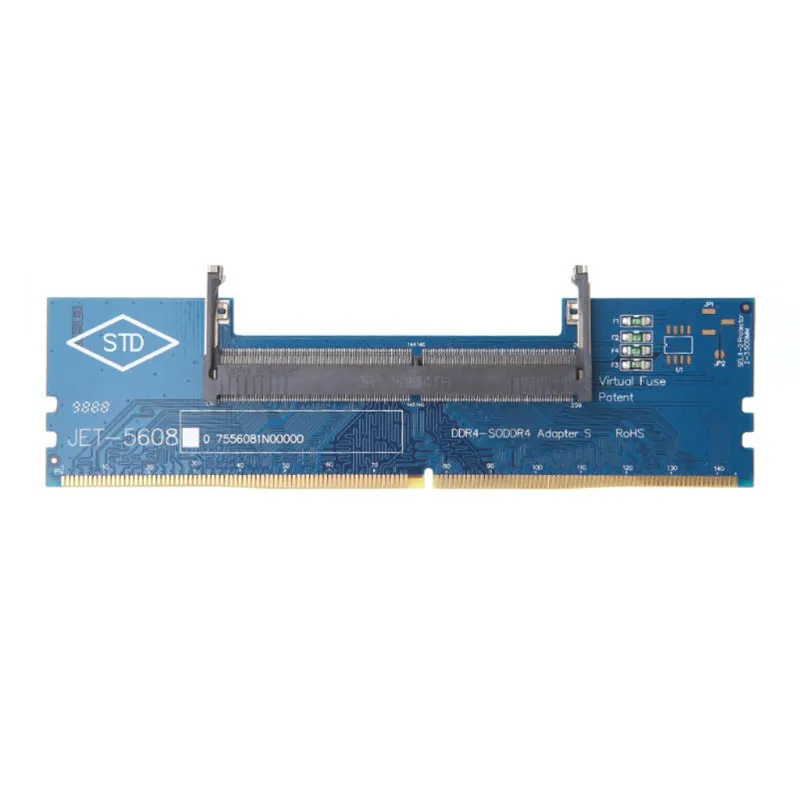
This practical adapter interface card provides a solution for technicians, system builders, and IT professionals who need to transfer DDR4 laptop memory modules to desktop computer systems. Whether you're testing laptop memory in desktop motherboards, repurposing components between different form-factor systems, or building custom configurations that bridge laptop and desktop hardware, this adapter enables compatibility between SO-DIMM laptop modules and standard desktop DIMM slots. The OEM processing method ensures manufacturing consistency, while the included electrostatic protection addresses the practical need for safe component handling during the transfer process between systems.
Features and Construction
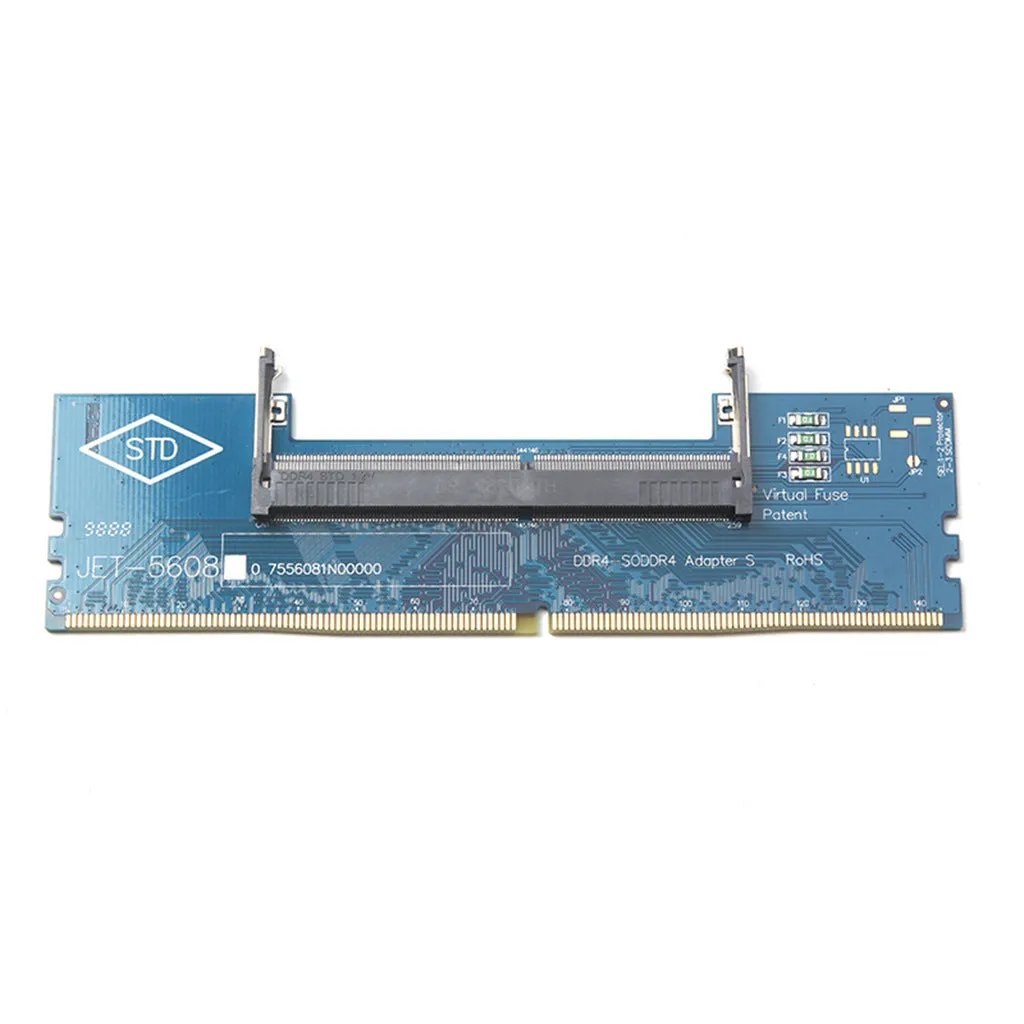
The adapter card is designed specifically for memory interface conversion applications, focusing on practical functionality rather than aesthetic enhancements. Its construction supports the fundamental requirement of translating signals between laptop and desktop memory standards while providing physical protection during the transfer process. The product addresses the common challenge of incompatible form factors when moving components between different computer systems.
Material and Build
The adapter utilises a printed circuit board with gold-plated contacts designed for reliable signal transmission between laptop SO-DIMM modules and desktop DIMM motherboard slots. The gold plating helps maintain electrical conductivity over multiple insertions and removals during testing procedures. The OEM processing method indicates manufacturing according to original equipment manufacturer specifications, which typically involves standardised production processes and quality control measures. The included electrostatic bag is constructed from materials specifically chosen to dissipate static charge and protect the adapter's sensitive electronic components during storage and transportation between work areas.
Size and Practical Fit
The adapter card follows standard form factor dimensions that accommodate both laptop SO-DIMM memory modules and desktop motherboard DIMM slots. While exact measurements aren't specified in the source text, the design ensures physical compatibility between the two different memory standards. The card's profile allows it to fit securely in desktop motherboard slots while providing a stable platform for laptop memory modules. The practical design focuses on creating a reliable bridge between systems rather than incorporating unnecessary features that might complicate the testing or transfer process.
Uses and Placement
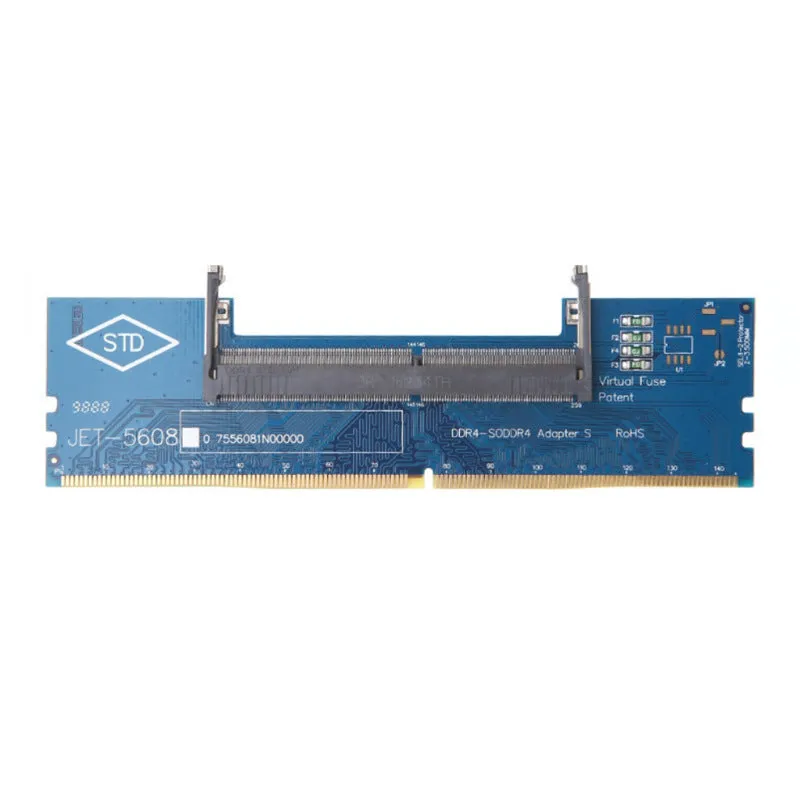
The adapter card serves specific functions in computer hardware testing, system building, and component repurposing scenarios. Its primary value lies in enabling compatibility between different computer form factors that would otherwise prevent memory module sharing or testing. The product addresses practical situations where components need to move between laptop and desktop environments without requiring separate purchases for each system type.
Event or Professional Use
In professional IT environments, the adapter supports memory testing procedures where laptop components need verification in desktop test benches with more comprehensive diagnostic capabilities. Computer repair technicians can use the adapter to test suspect laptop memory modules in known-good desktop systems, helping isolate hardware issues during troubleshooting processes. System builders creating custom configurations that incorporate laptop memory in desktop cases benefit from the interface conversion without modifying either the memory modules or the motherboard. The electrostatic protection aspect becomes particularly relevant in professional settings where multiple components are handled daily, reducing the risk of static-related failures during testing procedures.
Everyday Home Use
For home users upgrading laptop memory, the adapter enables testing of old modules in desktop systems to verify functionality before discarding or repurposing components. DIY computer enthusiasts building custom systems can utilise laptop memory in desktop configurations, potentially reducing costs by reusing existing components across different form factors. The adapter supports hardware recycling initiatives by allowing functional laptop memory to find second lives in desktop systems rather than becoming electronic waste. Home users performing basic computer maintenance benefit from the simplified testing process that doesn't require specialised laptop testing equipment.
Benefits and Buying Value
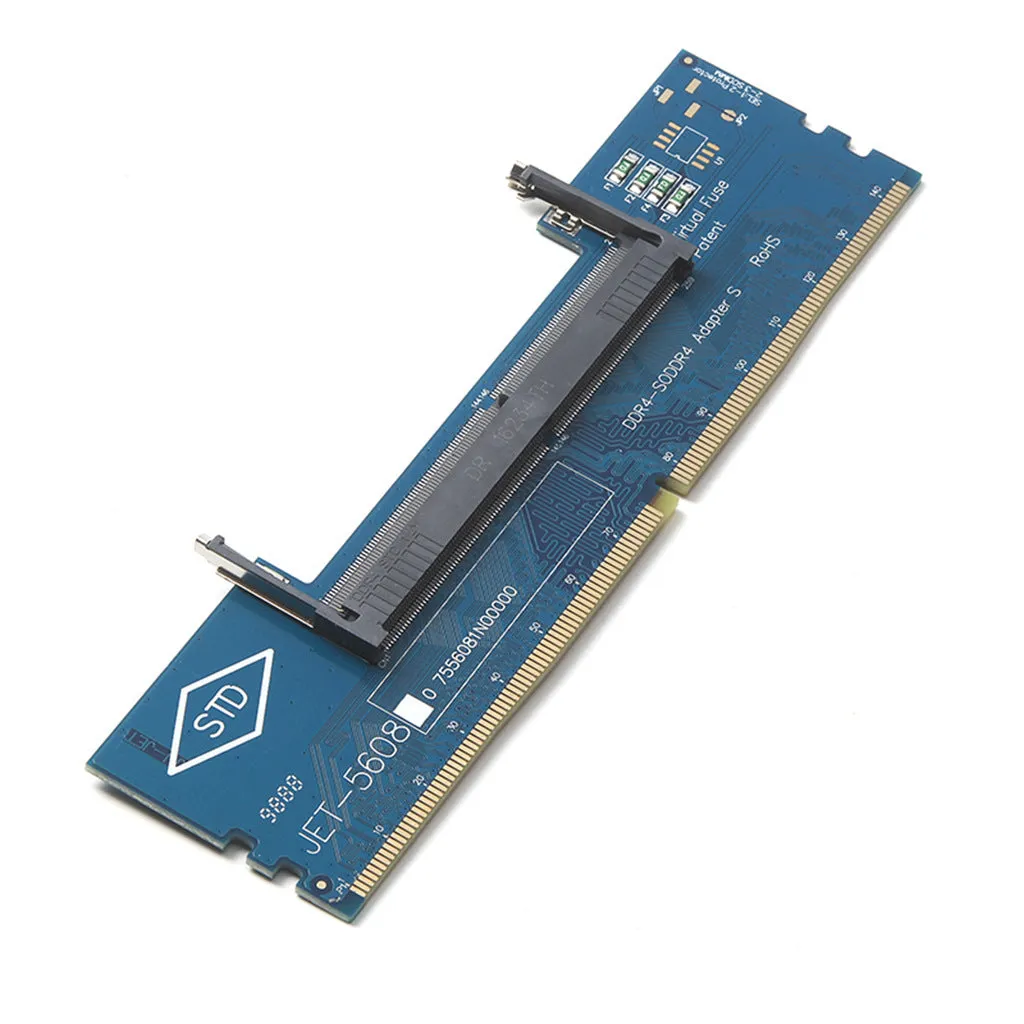
The adapter card provides practical advantages in specific computing scenarios where interface compatibility presents a barrier to component utilisation. Its value derives from enabling functions that would otherwise require separate components or specialised testing equipment. The product addresses a niche but practical need in computer hardware handling and testing procedures.
Reuse and Low Maintenance
The adapter supports component reuse by enabling laptop memory modules to function in desktop systems, extending the useful life of existing hardware investments. Its low-maintenance design requires no special cleaning procedures beyond occasional contact inspection and protection from physical damage during handling. The electrostatic bag inclusion provides ongoing storage protection between uses, reducing the risk of failure due to static accumulation over time. The OEM processing suggests manufacturing consistency that typically results in reliable performance across production batches without requiring user adjustments or modifications.
Why Choose This Product
This specific adapter card addresses the practical need for DDR4 laptop to desktop memory conversion with included electrostatic protection, distinguishing it from basic adapters that might lack protective features. The availability of three variants covering DDR3, DDR4, and DDR5 standards provides options for different memory generations, allowing users to select the appropriate version for their specific components. The OEM processing method indicates manufacturing according to established specifications rather than variable aftermarket standards. The product focuses on its core function of interface conversion with protective elements rather than attempting to serve multiple unrelated purposes, resulting in a specialised tool for a specific technical requirement.