

Educational Bilingual Early Learning Machine with 50 or 100 Double-Sided Cards featuring English Letters, Chinese Strokes and Hanzi Characters for Children's Hearing and Parent-Child Communication Training in Yellow ABS Construction


Educational Bilingual Early Learning Machine with 50 or 100 Double-Sided Cards featuring English Letters, Chinese Strokes and Hanzi Characters for Children's Hearing and Parent-Child Communication Training in Yellow ABS Construction
Educational Bilingual Early Learning Machine with Double-Sided Cards for English and Chinese Character Development

This creative stick figure early learning machine represents a structured approach to early childhood education, combining bilingual elements with tactile interaction through a card-based system. Designed as the V3 model, it provides an alternative to screen-based learning tools by incorporating physical cards that children can handle while developing literacy skills. With its focus on ability training across multiple domains including emotion recognition, hearing development, and parent-child communication, the device serves as both educational tool and interactive toy. The machine's operation relies on three 1.5V AAA batteries, making it fully portable for use in various settings without requiring mains power access, while its substantial 254mm by 180mm by 50mm dimensions create a stable platform for card reading and interaction.
Features and Construction
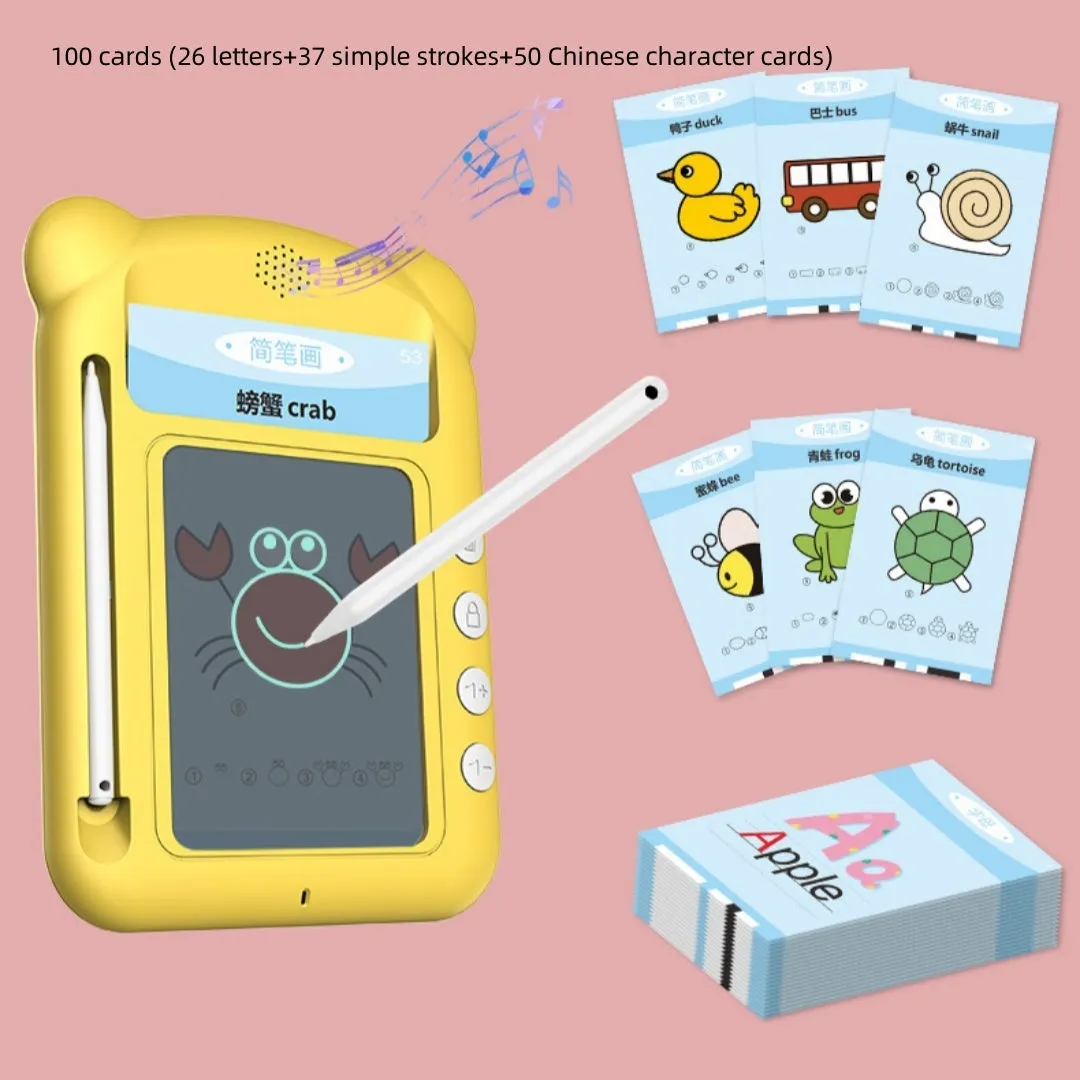
The learning machine's design centres on durable construction and educational functionality, with clear specifications supporting its intended use in early learning environments. Its physical characteristics and component selection prioritise longevity and ease of use for both children and supervising adults, while the educational content structure follows progressive learning principles.
Material and Build
Constructed from yellow ABS plastic, the learning machine's host unit provides impact resistance appropriate for handling by young children during educational activities. This material choice contributes to the device's structural integrity while maintaining a weight that allows comfortable portable operation. The yellow colour offers high visual contrast against the cards and learning materials, potentially aiding visual tracking and focus during use. The ABS construction withstands regular handling and occasional accidental drops that may occur during learning sessions, supporting the machine's role in interactive educational play.
Size and Practical Fit
With dimensions of 254mm wide by 180mm high by 50mm deep, the learning machine provides substantial surface area for card placement and interaction while remaining manageable for children's handling. These measurements create a stable platform that accommodates the double-sided cards during learning activities without excessive movement. The 50mm depth allows for internal component housing while maintaining a profile that fits comfortably on tables or learning surfaces in both home and educational settings. This size configuration balances portability with functional workspace for the card-based learning system.
Uses and Placement

The learning machine supports development across multiple ability areas through structured interaction with its bilingual card system. Its design facilitates both independent exploration and guided learning sessions with parental or educator involvement, with card progression supporting skill development over time.
Event or Professional Use
In educational or professional settings such as early learning centres, preschools, or bilingual education programmes, the machine provides structured literacy development through its progressive card system. The inclusion of both English letters and Chinese writing elements (37 strokes and 50 hanzi characters in the high-end version) supports bilingual curriculum implementation. Educators can utilise the machine's ability training focus areas—emotion, interactive play, hearing, and parent-child communication—to create targeted learning activities that address multiple developmental domains simultaneously. The physical card system allows for hands-on literacy activities that complement digital learning tools.
Everyday Home Use
For home learning environments, the machine offers parents a structured tool for supporting early literacy development while facilitating quality interaction time. The parent-child communication aspect encourages collaborative learning sessions where adults can guide children through letter and character recognition activities. The hearing training component develops auditory discrimination skills through sound-based learning activities, while emotion training cards potentially help children recognise and understand emotional expressions. The machine's portable battery operation allows flexible placement throughout the home, supporting spontaneous learning opportunities in various rooms and settings.
Benefits and Buying Value
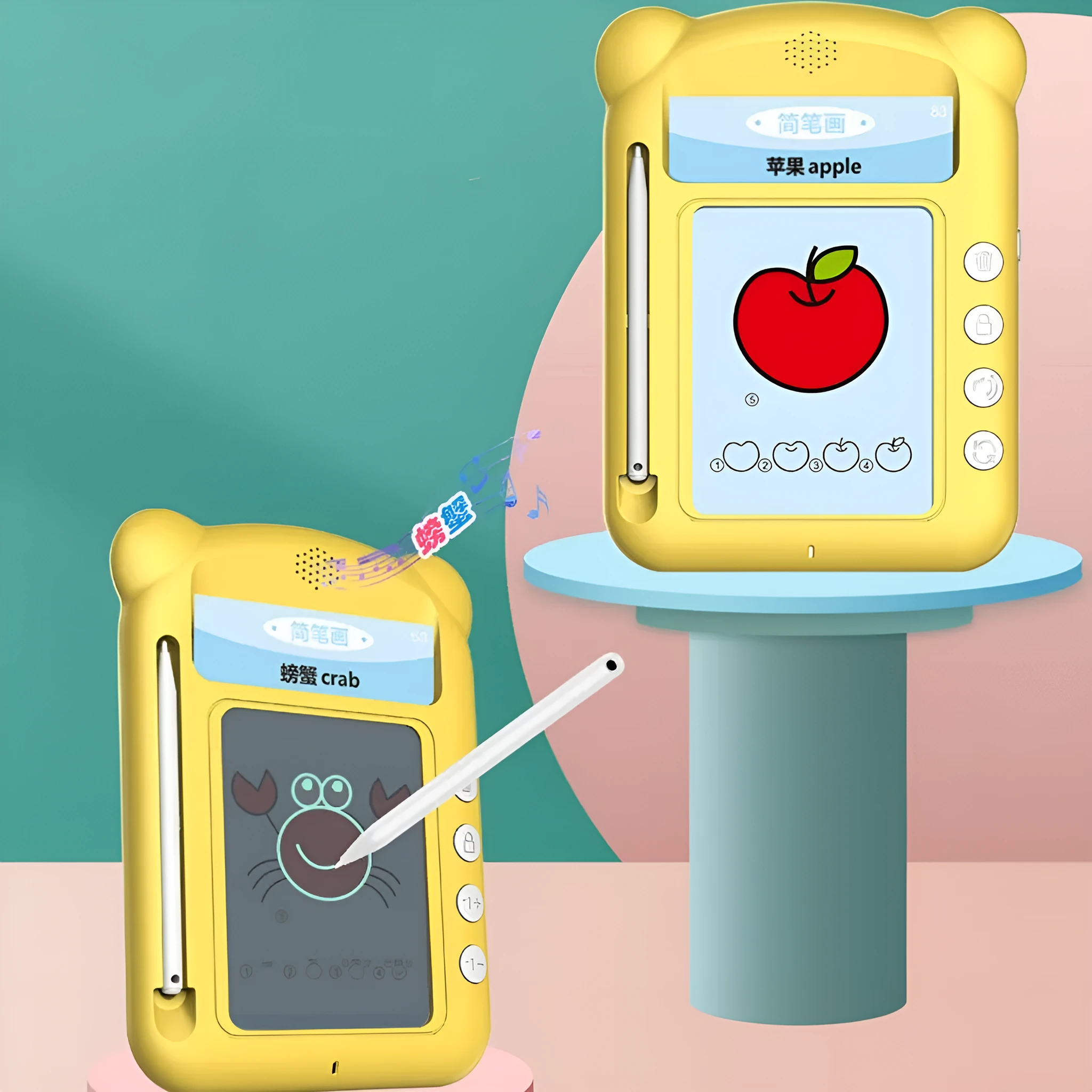
The learning machine's value derives from its structured bilingual content, durable construction, and multi-domain developmental support. Its card-based system offers clear progression pathways while the hardware design prioritises longevity and ease of use for both children and supervising adults.
Reuse and Low Maintenance
The physical card system supports repeated use across multiple learning sessions and potentially between siblings or classroom groups. ABS plastic construction maintains structural integrity through extended handling, while the battery-powered operation eliminates complex electrical maintenance requirements. Cards can be organised and stored separately from the machine, allowing for systematic progression through the learning materials or customised activity selection based on the child's current developmental focus. This reusability extends the product's functional lifespan across multiple learning stages.
Why Choose This Product
This learning machine offers specific advantages for families or educators seeking structured bilingual early learning tools with tangible interaction components. Its dual language approach combining English literacy with Chinese character development addresses growing demand for bilingual educational resources, while the choice between 50-card and 100-card configurations allows selection based on learning scope requirements. The focus on multiple ability areas—emotion, hearing, interactive play, and parent-child communication—provides developmental support beyond basic literacy skills. The machine's physical dimensions and battery operation create a self-contained learning system suitable for various environments without requiring specialised furniture or power access.
