

EMMC read and write tool for in-car audio host maintenance and localisation data, SD card PCB port audio host repair tool compatible with BMW Mercedes-Benz Audi Porsche Fengdao systems


EMMC read and write tool for in-car audio host maintenance and localisation data, SD card PCB port audio host repair tool compatible with BMW Mercedes-Benz Audi Porsche Fengdao systems
EMMC Read and Write Tool for Car Audio Host Maintenance via SD Card PCB Port
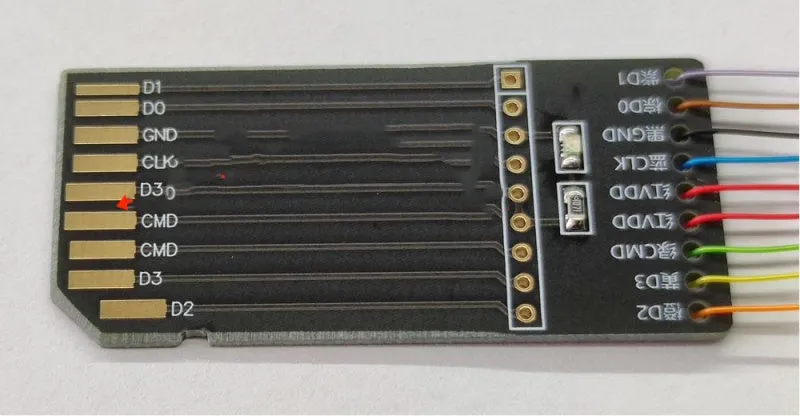
This specialised electronic tool is designed for automotive technicians and electronics repair specialists who service modern in-car infotainment systems. It facilitates the critical maintenance process of directly accessing the embedded MultiMediaCard (EMMC) storage within vehicle audio hosts. By connecting through the SD card port found on the audio unit's printed circuit board, this device allows for reading existing data, writing new data, and performing localisation tasks. Its primary application is the repair and reprogramming of audio systems in specific vehicle brands, offering a targeted solution for a common point of failure and update requirement in contemporary car electronics.
Features and Construction

This tool is built as a single, purpose-built unit for interfacing with vehicle EMMC storage. Its design centres on compatibility with the SD card port format used as a communication interface on many car audio printed circuit boards, providing a physical and electrical bridge for data transfer.
Material and Build
The tool is constructed from standard electronic components necessary for reliable data communication. This includes connectors designed to mate with the SD card port on the target audio host PCB, ensuring a secure physical connection for stable read and write operations. The build focuses on functionality for the specific task of automotive EMMC maintenance, without extraneous features.
Size and Practical Fit
The tool is supplied as a complete unit, implying a form factor designed for handheld use by a technician. Its design prioritises a direct connection to the vehicle's audio host board, suggesting a form that is manageable within the often-confined spaces of a car dashboard or centre console during repair work. The exact physical dimensions are not specified, but its application indicates a portable, workshop-friendly device.
Uses and Placement
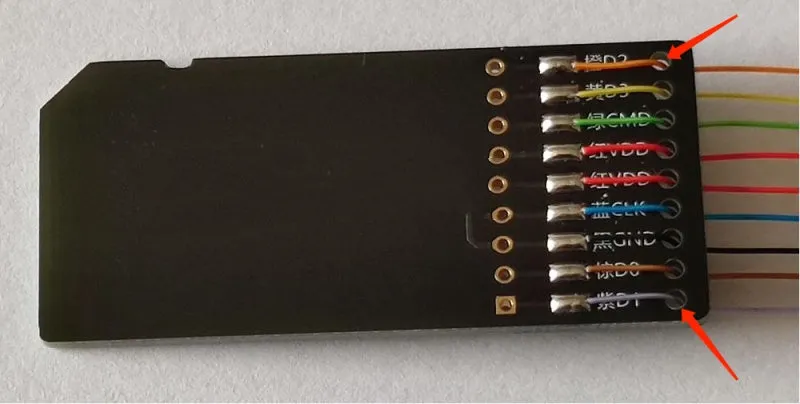
This tool has a clear, professional application within the automotive repair and electronics servicing sector. It is not a consumer device but a piece of workshop equipment for specific, technical procedures on car entertainment systems.
Event or Professional Use
The primary use is in professional automotive repair workshops, vehicle diagnostics centres, and car audio specialist shops. It is employed when an audio host unit from a compatible vehicle requires maintenance. This could involve diagnosing a faulty unit by reading its EMMC data, repairing a unit by writing corrected firmware or data, or localising a unit for a different market by updating its software settings. The tool enables these tasks without requiring the entire head unit to be replaced.
Everyday Home Use
This tool is not intended for casual or everyday home use. Its application requires technical knowledge of vehicle electronics, EMMC storage systems, and the specific audio host architectures of the supported car brands. It is a specialist tool for solving specific problems in car audio systems, not a general-purpose consumer data transfer device.
Benefits and Buying Value
The value of this tool lies in its targeted functionality for a niche but common repair scenario in modern vehicles. It addresses a specific technical need with a direct, single-purpose solution.
Reuse and Low Maintenance
As a durable electronic tool, it is designed for repeated use across multiple repair jobs. Its value is realised over time as a workshop uses it to service numerous vehicles from the supported brands. The tool itself requires minimal maintenance, being a solid-state electronic device focused on performing its core communication function reliably during each use.
Why Choose This Product
This tool is chosen for its specific compatibility with audio hosts from BMW, Mercedes-Benz, Audi, Porsche, and Fengdao vehicles. For a workshop servicing these brands, it provides a direct method to address EMMC-related faults—a common issue—potentially saving the cost of whole-unit replacements. Its focus on the SD card port interface, a standard feature on many related PCBs, makes it a practical point of access for technicians. The tool offers a focused solution for a precise technical task in automotive electronics repair.