

Ethernet extension cable with RJ45 connectors for Cat5 or Cat6 networks, available in UTP or STP cable styles and lengths from 1.5 metres to 25 metres with PVC insulation

Ethernet extension cable with RJ45 connectors for Cat5 or Cat6 networks, available in UTP or STP cable styles and lengths from 1.5 metres to 25 metres with PVC insulation
Ethernet Extension Cable with RJ45 Connectors for Cat5 and Cat6 Networks in Lengths from 1.5 to 25 Metres
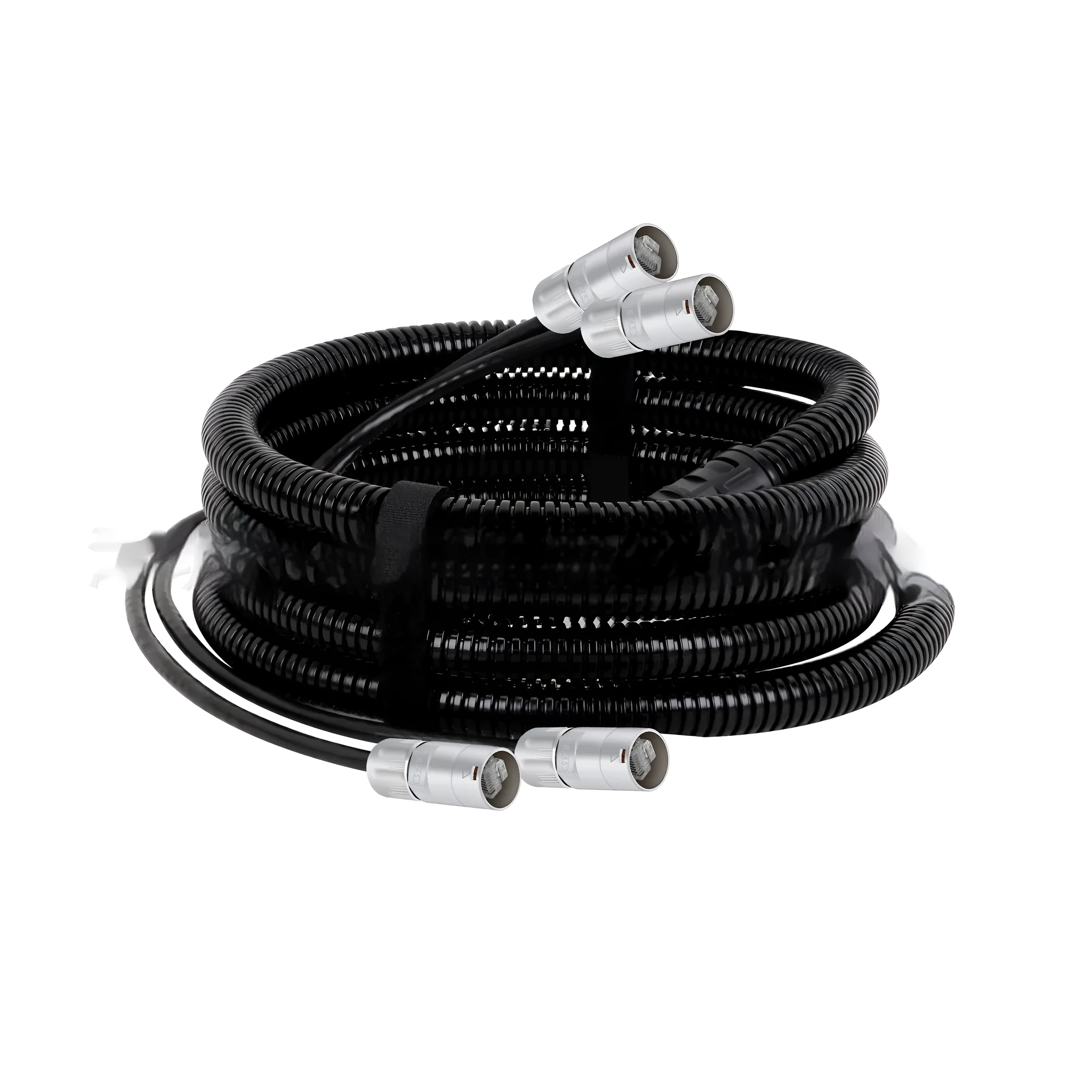
This Ethernet extension cable provides a straightforward solution for creating reliable wired network connections over a customisable distance. It is designed to bridge the gap between your network source—such as a router, modem, or wall socket—and your end device, including computers, gaming consoles, network-attached storage, or smart home hubs. The cable is offered in two core performance categories: Cat5 and Cat6. Cat5 cable supports data transfer speeds suitable for standard broadband and home office use, while Cat6 cable is engineered for higher bandwidths and reduced crosstalk, making it a fit for demanding applications like gaming, 4K media streaming, or small office networks. Beyond the performance category, you can select between UTP (Unshielded Twisted Pair) and STP (Shielded Twisted Pair) constructions. UTP is the standard for most home and office environments, whereas STP includes additional shielding to protect against electromagnetic interference, which can be useful in spaces with many electronic devices or near power cables. The most practical choice, however, may be the length. With nine options ranging from a compact 1.5 metres to a substantial 25 metres, you can select the exact cable needed to keep your setup tidy and efficient, avoiding unnecessary slack or a connection that falls short.
Features and Construction
The cable's design centres on providing a configurable network link based on clear, selectable specifications. Its construction and components are chosen for compatibility and reliable signal transmission.
Material and Build
The cable features a PVC (Polyvinyl Chloride) outer insulation. PVC is a widely used material in network cabling due to its balance of flexibility, durability, and cost-effectiveness. It provides adequate protection for the internal twisted copper wire pairs against everyday wear, bending, and minor impacts. The cable terminates in industry-standard RJ-45 connectors. These 8-pin modular connectors are precisely crimped to the internal wires, ensuring a secure physical and electrical connection when plugged into any corresponding RJ-45 port on a router, switch, network card, or other networked device. The integrity of this connection is fundamental for maintaining stable network speeds and avoiding dropouts.
Size and Practical Fit
The available lengths are a key practical feature. The range starts at 1.5 metres, ideal for connecting devices in close proximity, such as a desktop PC to a wall socket or a router to a nearby modem. Mid-range options of 3, 5, 8, and 10 metres suit most room-to-room setups, allowing you to route the cable along skirting boards or under carpets. The longer 15, 20, and 25 metre cables are designed for more extensive runs, perhaps from a central router in a cupboard to a home office in a loft conversion or across a large open-plan living space. Selecting the correct length minimises cable clutter, reduces tripping hazards, and can help maintain optimal signal quality by avoiding excessive coiling of extra length, which can sometimes induce interference.
Uses and Placement
This cable serves as a physical network backbone for a variety of digital activities, from basic internet browsing to data-intensive tasks. Its application depends on the chosen specification and length.
Event or Professional Use
For temporary professional setups, event staging, or trade show booths, these cables offer a reliable way to establish a wired network quickly. The choice of Cat6 STP cable can be advantageous in electrically noisy environments filled with lighting rigs, audio equipment, and other exhibitors' electronics, as the shielding helps maintain a clean signal. The range of lengths allows technicians to cable precisely between switches, point-of-sale systems, registration laptops, or media stations without carrying multiple reels of bulk cable. The standard RJ-45 connectors ensure compatibility with nearly all professional networking gear.
Everyday Home Use
In a domestic setting, a wired connection often provides a more stable and faster link than Wi-Fi, especially for devices that remain in a fixed location. Using a Cat5 or Cat6 UTP cable of an appropriate length can significantly improve the performance of a smart TV for streaming 4K content, reduce latency for online gaming on a console or PC, and provide a robust connection for a home office computer handling video calls and large file transfers. Running a cable along a wall from your broadband router to a study or living room media unit is a common use case. The PVC-insulated cable is flexible enough for such routing and durable enough to withstand being placed behind furniture or under rugs.
Benefits and Buying Value
The value of this product lies in its simplicity, specificity, and the tangible improvement a well-chosen wired connection can offer over wireless alternatives in certain scenarios.
Reuse and Low Maintenance
Ethernet cables are fundamentally reusable and low-maintenance components. Once installed, a good-quality cable can last for years without any need for power, software updates, or configuration. It provides a passive, always-on connection. If you move house or rearrange your equipment, the cable can be unplugged and redeployed elsewhere. The PVC jacket is easy to wipe clean if needed and resists minor scuffs and abrasions from being routed along floors or walls. There are no moving parts to wear out, making it a dependable long-term networking solution.
Why Choose This Product
Choosing this cable comes down to matching its specifications to your specific need. The primary decision is between Cat5 and Cat6. For general internet use, connecting printers, or for devices with Fast Ethernet (100 Mbps) ports, Cat5 is sufficient and often more cost-effective. If your router, network card, and internet plan support Gigabit (1000 Mbps) speeds or higher, and you perform tasks like large file transfers, competitive gaming, or high-bitrate streaming, investing in a Cat6 cable helps ensure your cabling isn't the bottleneck. The second choice is between UTP and STP. For nearly all home and many office settings, UTP is perfectly adequate. STP is a consideration if you are running the cable parallel to power lines for a long distance or in a server room/studio with significant electronic noise. Finally, accurately measuring and selecting the right length from the nine options prevents waste, keeps your space organised, and can optimise performance by avoiding long coiled excesses of cable.