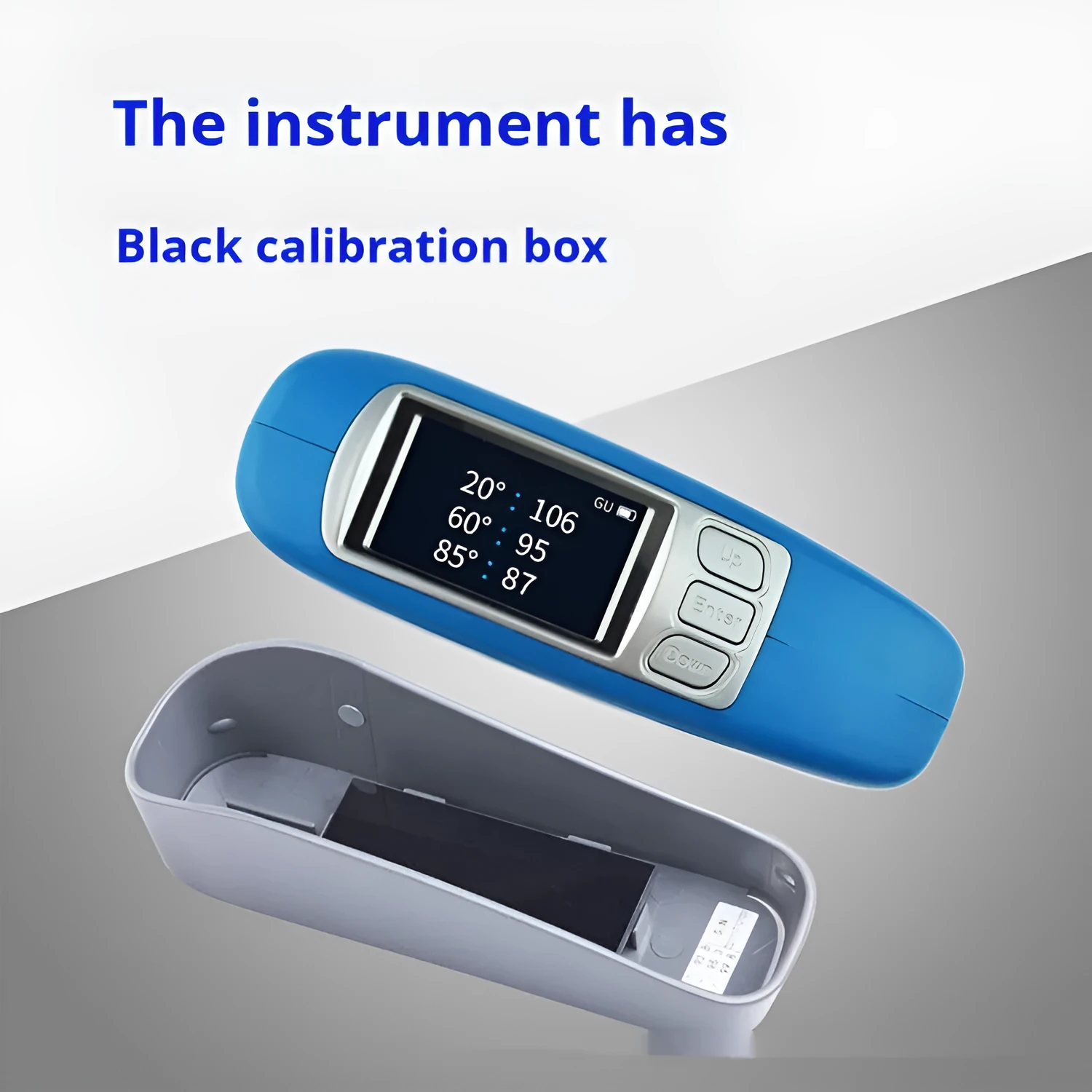
Portable glossiness tester CS-300 CS-300S CS-380 ceramic brightness stone surface gloss measurement device with single-angle 60° and triangle 20°60°85° options including microporous 23mm probe for quality control and laboratory use


Portable glossiness tester CS-300 CS-300S CS-380 ceramic brightness stone surface gloss measurement device with single-angle 60° and triangle 20°60°85° options including microporous 23mm probe for quality control and laboratory use
Portable Glossiness Tester CS-300 CS-300S CS-380: Professional Surface Shine Measurement with Single and Triangle Angle Options
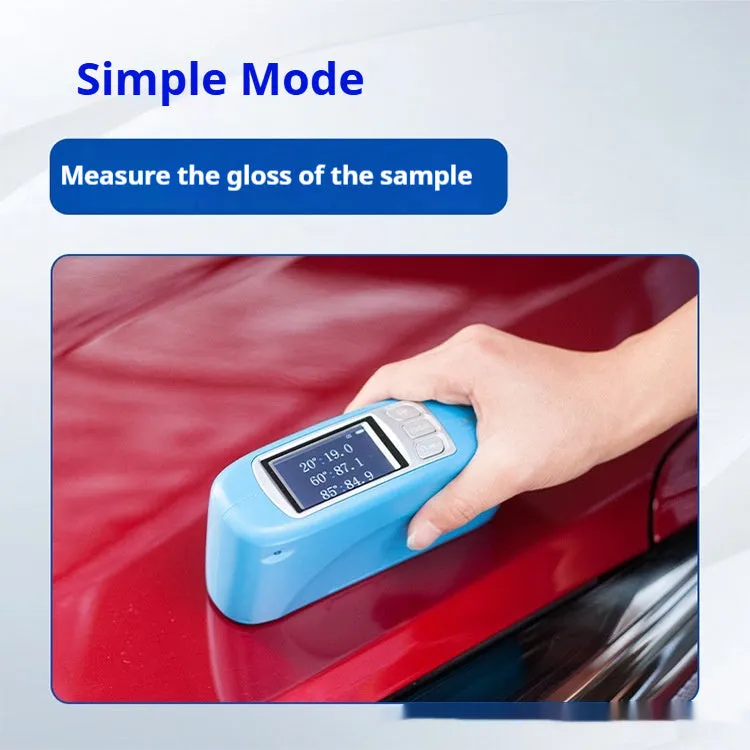
This portable glossiness tester provides professionals with an objective, quantifiable method for assessing surface brightness and shine. Designed for quality control applications across manufacturing, ceramics, automotive, and laboratory environments, the device offers three distinct model configurations to address varying measurement requirements. Whether you need standard single-angle assessment or comprehensive multi-angle analysis, this instrument delivers precise gloss readings that eliminate subjective visual judgments. The portable nature allows for both laboratory use and on-site quality checks, making it suitable for production line verification and material specification compliance.
Features and Construction

The glossiness tester family consists of three main variants, each engineered for specific measurement scenarios. The fundamental design principle involves directing light at a defined angle onto a surface and measuring the amount of reflected light to calculate gloss units. While construction materials aren't specified in the source data, the practical operation focuses on achieving accurate, repeatable measurements across different surface types and textures.
Material and Build
As a precision measurement instrument, the glossiness tester incorporates optical components calibrated to industry standards. The device housing contains the light source, receptor, and processing electronics necessary for converting reflected light into quantifiable gloss values. While specific material details aren't provided, the practical relevance lies in the instrument's ability to withstand regular use in industrial and laboratory settings while maintaining calibration integrity.
Size and Practical Fit
The portable design suggests dimensions suitable for handheld operation and transportation between measurement sites. The absence of specific size data in the source text means the device prioritises functional ergonomics over predefined dimensions. This flexibility allows the instrument to be used comfortably in various environments, from laboratory benches to production floors, without requiring extensive setup space or specialised mounting equipment.
Uses and Placement

This glossiness tester serves multiple applications across industries where surface appearance quality is critical. From ceramic tile manufacturers verifying batch consistency to automotive paint shops checking finish quality, the device provides objective data to support quality decisions. The three model variants address different use scenarios, from basic quality checks to comprehensive surface analysis for research and development purposes.
Event or Professional Use
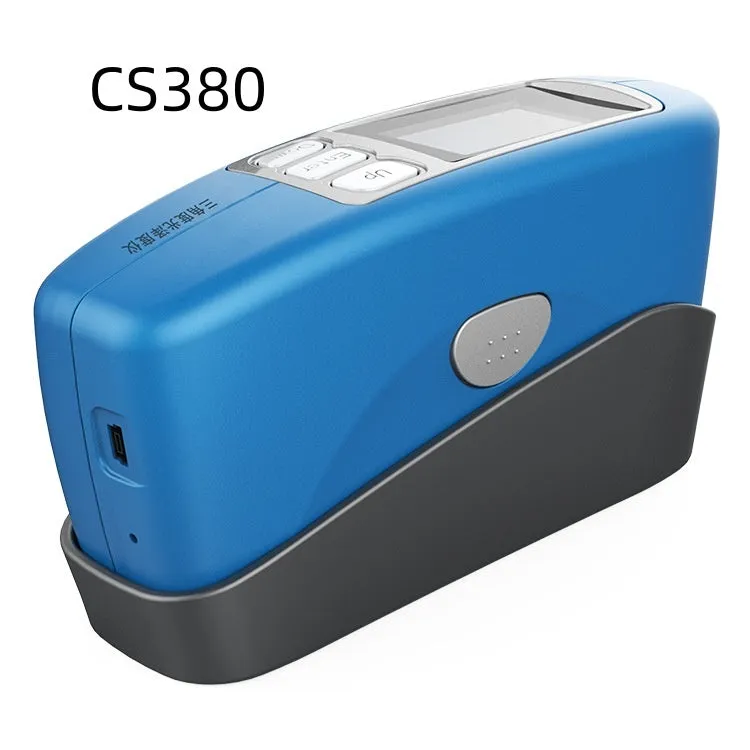
In professional and industrial settings, the CS-380 model with its triangle 20°/60°/85° configuration offers comprehensive gloss analysis suitable for material development and specification writing. This multi-angle approach provides detailed information about how surfaces reflect light from different perspectives, which is particularly valuable for complex finishes like metallic paints, textured plastics, or specialised coatings. The data supports quality documentation, material certification, and supplier verification processes.
Everyday Home Use
While primarily an industrial instrument, the glossiness tester's portable nature makes it suitable for smaller workshops, artisan studios, or educational settings where surface quality matters. Ceramic artists can verify glaze consistency, woodworkers can check finish quality, and restoration specialists can match historical surfaces. The CS-300 and CS-300S models provide straightforward measurement for these applications without requiring extensive technical expertise or complex setup procedures.
Benefits and Buying Value

Investing in a glossiness tester provides several practical advantages for businesses and professionals who rely on surface quality assessment. The instrument replaces subjective visual judgments with quantifiable data, reducing disputes and improving quality consistency. By offering three model variants, users can select the configuration that best matches their specific measurement requirements without paying for unnecessary capabilities.
Reuse and Low Maintenance
As a measurement instrument rather than a consumable product, the glossiness tester provides ongoing value through repeated use across multiple projects and applications. The portable design facilitates movement between different measurement locations without requiring duplicate instruments. While specific maintenance requirements aren't detailed in the source text, measurement instruments typically require periodic calibration rather than complex servicing, contributing to long-term utility with minimal ongoing costs.
Why Choose This Product
This glossiness tester distinguishes itself through its three specialised configurations addressing different measurement scenarios. The CS-300 provides basic single-angle measurement for standard quality checks, the CS-300S adds a 23mm microporous probe for challenging surfaces, and the CS-380 offers comprehensive multi-angle analysis. This product range allows users to select precisely the capability they need rather than compromising with either insufficient or excessive functionality, providing better value through targeted specification matching.