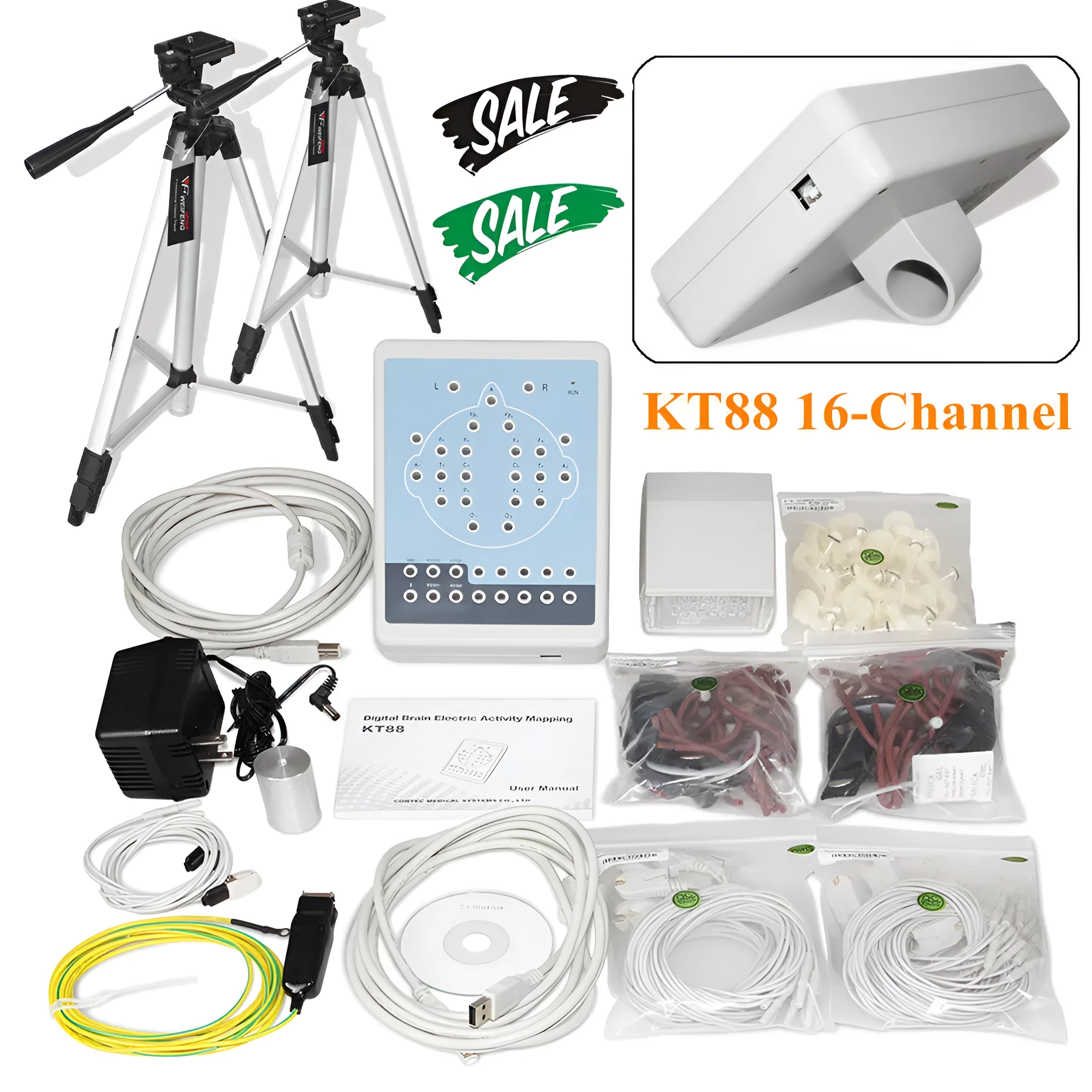
CE CONTEC KT88-1016 16 Channel Digital EEG and Brain Mapping System for epilepsy, intracranial inflammation, and cerebrovascular disease diagnosis with 24-hour continuous recording, USB data transfer, and Class II BF safety standard


CE CONTEC KT88-1016 16 Channel Digital EEG and Brain Mapping System for epilepsy, intracranial inflammation, and cerebrovascular disease diagnosis with 24-hour continuous recording, USB data transfer, and Class II BF safety standard
CE CONTEC KT88-1016 16 Channel Digital EEG and Brain Mapping System for Clinical Neurology
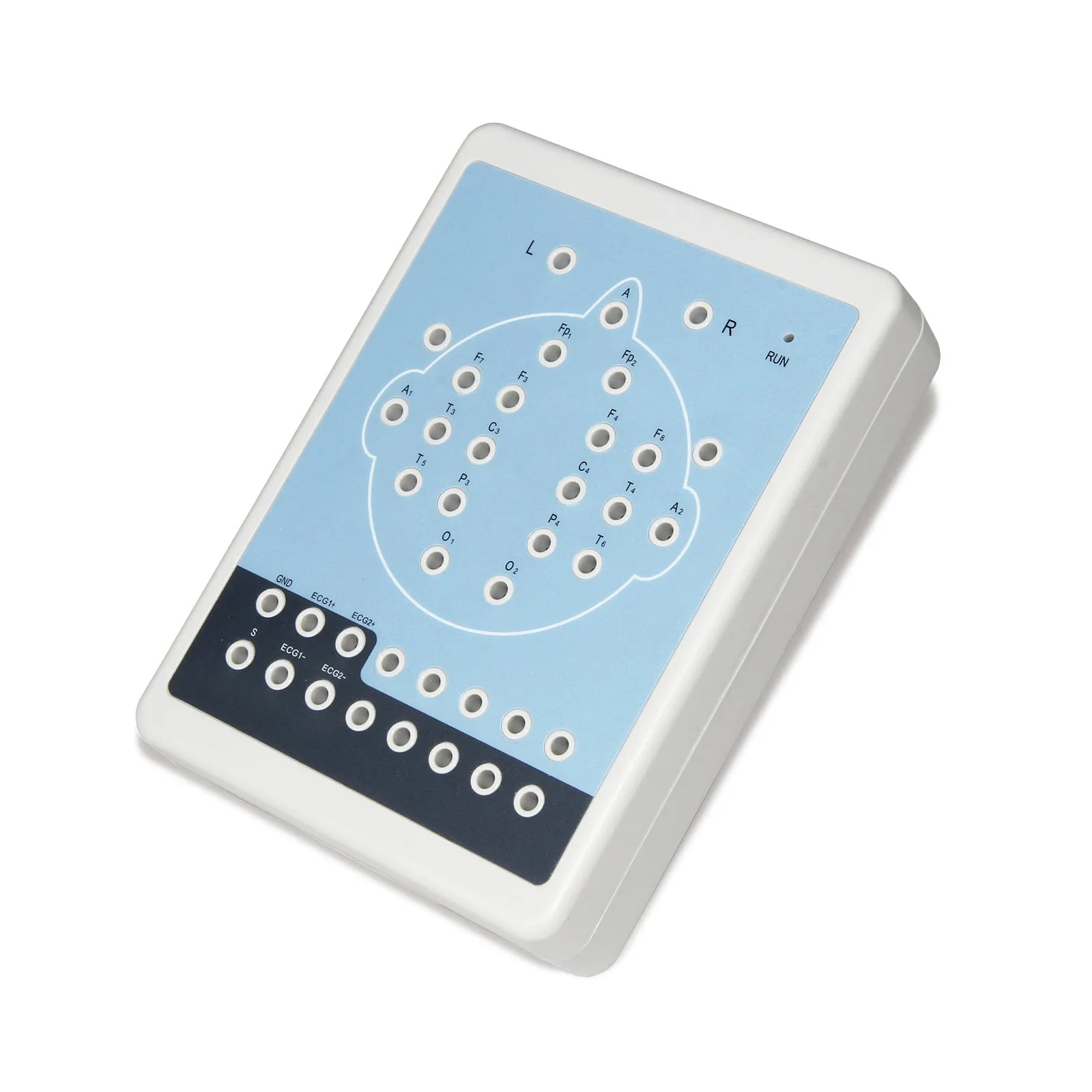
The CE CONTEC KT88-1016 represents a comprehensive digital electroencephalogram (EEG) and brain electric activity mapping solution designed for clinical neurological assessment. This system captures brainwave signals through electrodes placed according to the international 10/20 standard, then processes them through integrated amplification and analogue-to-digital transformation. The PC-based automatic analysis performs Fast Fourier Transform (FFT) to generate electroencephalogram displays with colour depth visualisation. Clinically applicable for diagnosing epilepsy, intracranial inflammation, cerebrovascular diseases, and brain tumours, the KT88-1016 combines extended recording capability with precise analytical tools in a compact, USB-powered device measuring 186mm by 135mm by 89.2mm.
Features and Construction

The KT88-1016 integrates multiple technical features that support detailed neurological examination and diagnosis. Its construction prioritises both signal accuracy and patient safety through specialised components and isolation systems.
Material and Build
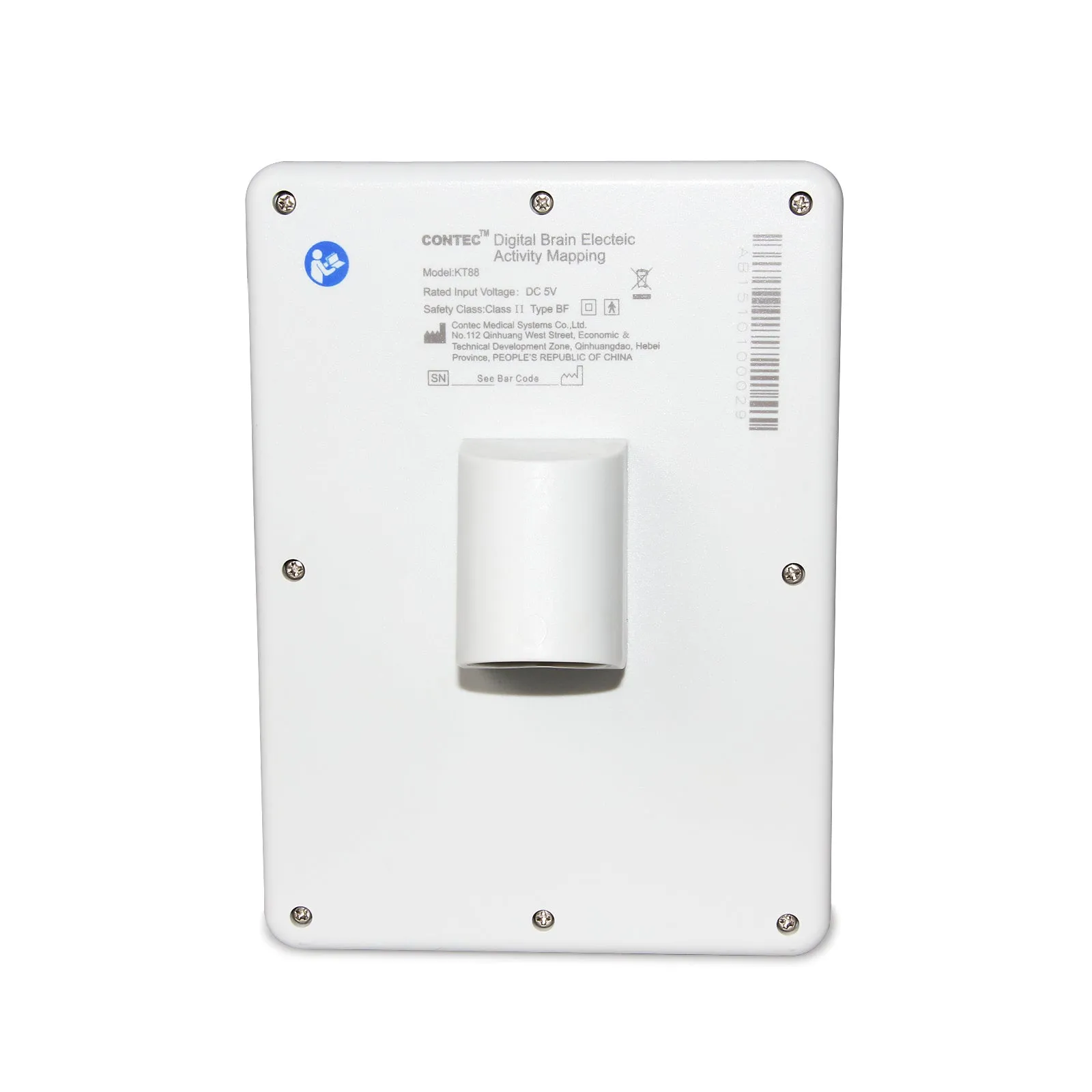
The system incorporates a professional isolation transformer alongside a dual power supply isolation system and optoelectronic data transmission to ensure electrical safety during patient monitoring. This Class II, type BF applied part certification indicates appropriate isolation for cardiac applications when the optional ECG channels are utilised. The aluminium block construction contributes to the device's structural integrity while maintaining the 550g weight that facilitates clinical portability. These material choices support the system's operation within the specified environmental parameters of +5℃ to +40℃ temperature range and ≤85% relative humidity.
Size and Practical Fit
With dimensions of 186mm long by 135mm wide by 89.2mm high, the KT88-1016 presents a compact footprint suitable for various clinical settings including hospital neurology departments, epilepsy monitoring units, and specialist consulting rooms. The 550g weight allows for convenient positioning near patient beds or examination chairs without requiring substantial support infrastructure. The device operates via USB 5V DC power, eliminating the need for specialised electrical installations and enabling use with standard hospital-grade power sources or appropriate battery packs for increased mobility during patient transfers or ambulatory monitoring situations.
Uses and Placement
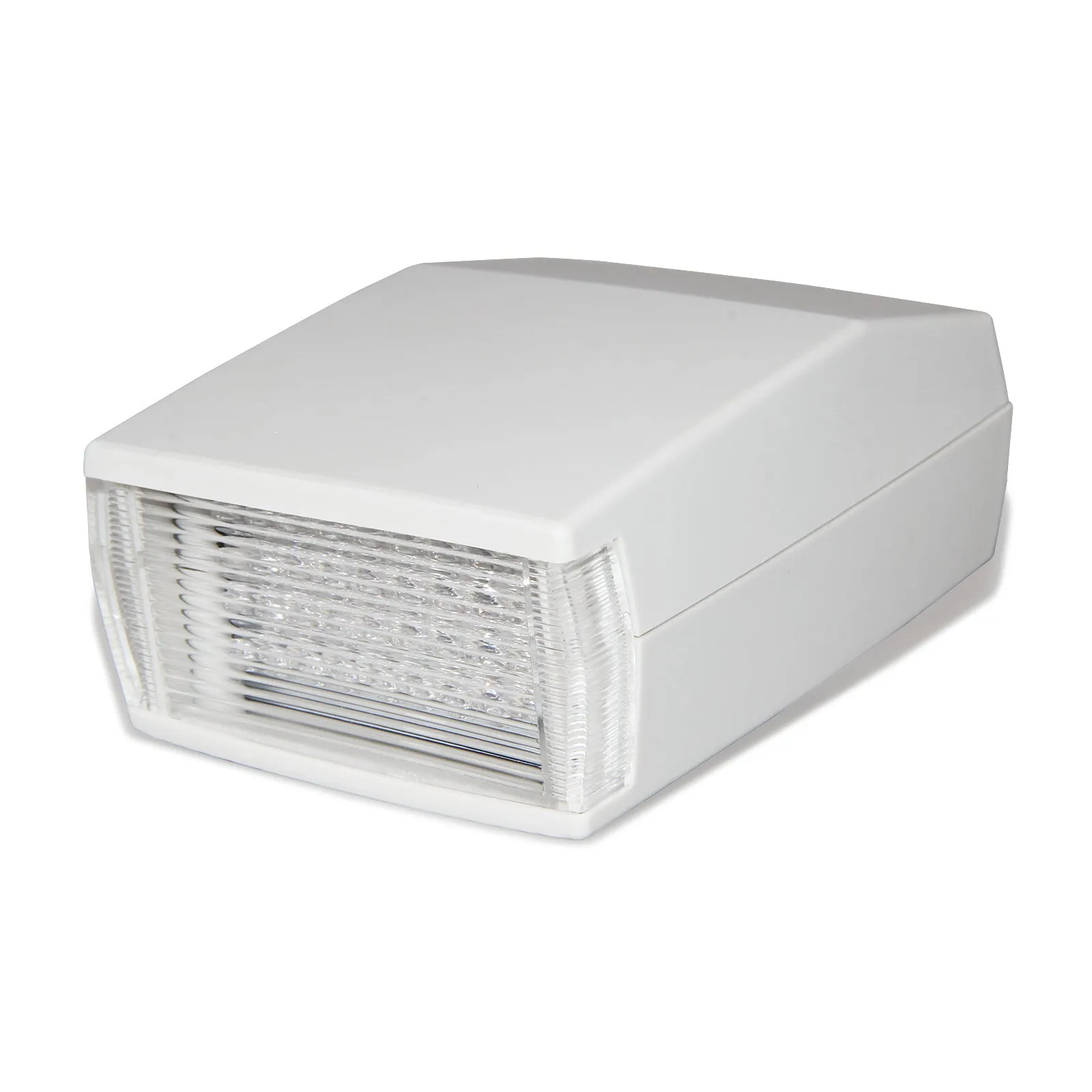
This digital EEG system serves multiple clinical applications across different healthcare environments, from dedicated neurology units to general hospital settings requiring neurological assessment capability.
Event or Professional Use
In professional clinical settings, the KT88-1016 supports extended neurological monitoring with its 24-hour continuous recording capability, making it suitable for epilepsy monitoring units assessing seizure activity or sleep laboratories investigating parasomnias. The system's powerful playback function with adjustable amplitude and display speed facilitates detailed waveform review, while the special timeline dividing each second into five parts enables precise event localisation. The electronic frequency ruler and partial enlarging window provide accurate measurement of EEG period, amplitude, and frequency parameters essential for diagnosing conditions like status epilepticus or monitoring treatment efficacy in intensive care environments.
Everyday Home Use
While primarily designed for clinical environments, the system's compact dimensions and USB power operation create potential for monitored home use under appropriate clinical supervision for certain patient groups. The included EEG bracket facilitates secure placement on bedside tables or dedicated monitoring stations, while the comprehensive accessory set including headgear and electrodes supports correct application by trained caregivers. The device's storage tolerance of -20℃ to +55℃ temperatures and ≤90% relative humidity allows for secure keeping in residential settings between clinical uses, though professional interpretation of recordings remains essential for diagnostic purposes.
Benefits and Buying Value
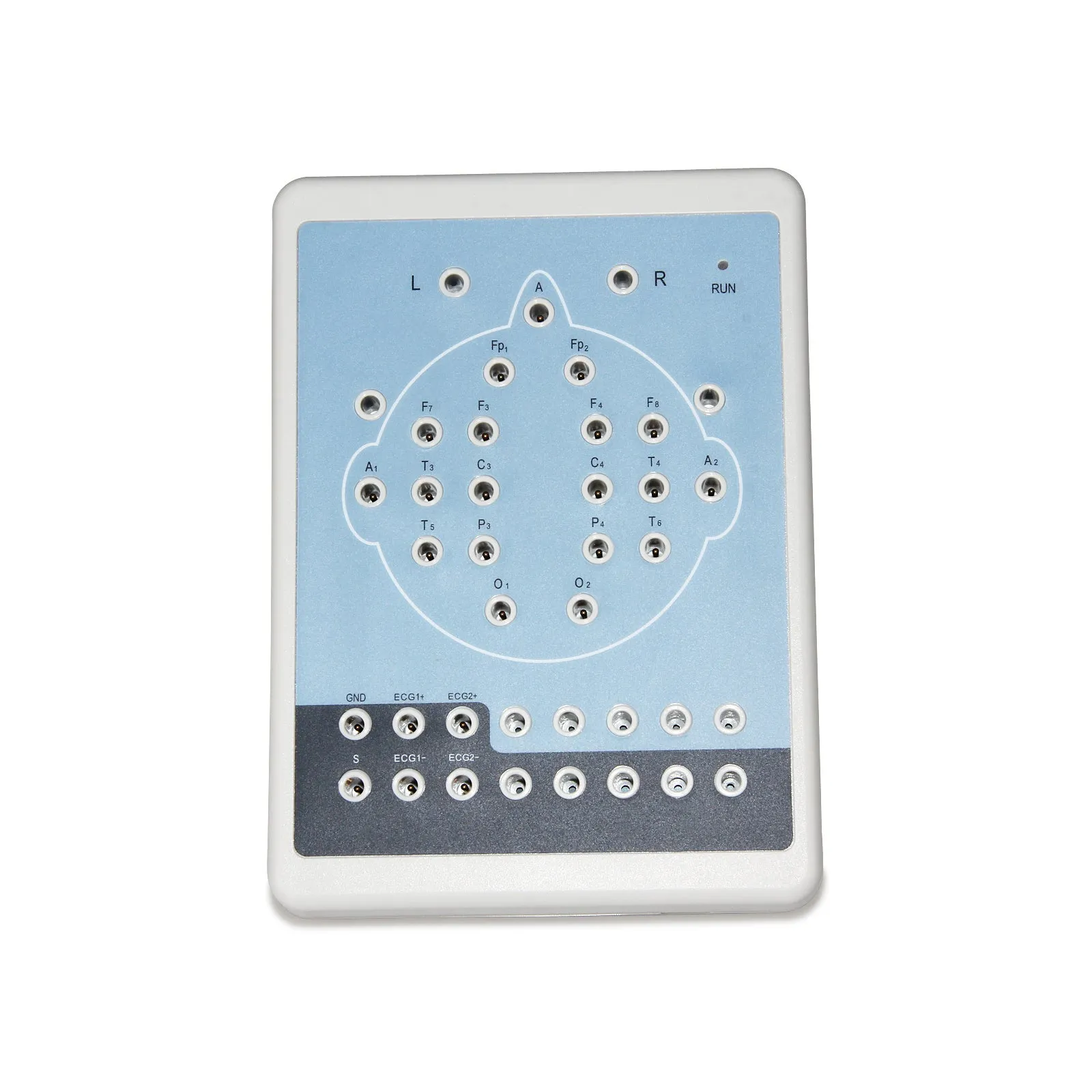
The KT88-1016 offers specific practical advantages through its technical specifications and functional capabilities that deliver clinical utility across multiple assessment scenarios.
Reuse and Low Maintenance
The system's digital architecture reduces consumable requirements compared to traditional paper-based EEG machines, while the USB interface data transmission minimises connector wear. The integrated full-automatic calibration system maintains measurement accuracy over extended use without requiring frequent manual recalibration. Case management functions with export/import capability facilitate data archiving to MO or CD-RW disks for long-term storage and potential retrospective analysis, extending the utility of recordings beyond initial assessment. The optional video function with USB camera integration creates synchronised clinical records that can be reviewed multiple times without degradation.
Why Choose This Product
Clinical users selecting the KT88-1016 gain a 16-channel digital EEG system with two optional ECG channels that provides comprehensive neurological monitoring capability in a compact form factor. The device's 100 dots/s sampling rate with 12-bit accuracy captures detailed brainwave information, while the ≥10MΩ input impedance and ≤5µVp-p noise level ensure signal fidelity. The digital filter system with freely enacted filter constants allows customisation to specific diagnostic requirements, and the 50Hz interference suppression of ≥30dB maintains signal quality in typical clinical environments. These technical specifications, combined with SFDA and CMC certifications, offer a balanced combination of performance, safety compliance, and practical clinical utility for neurological assessment applications.