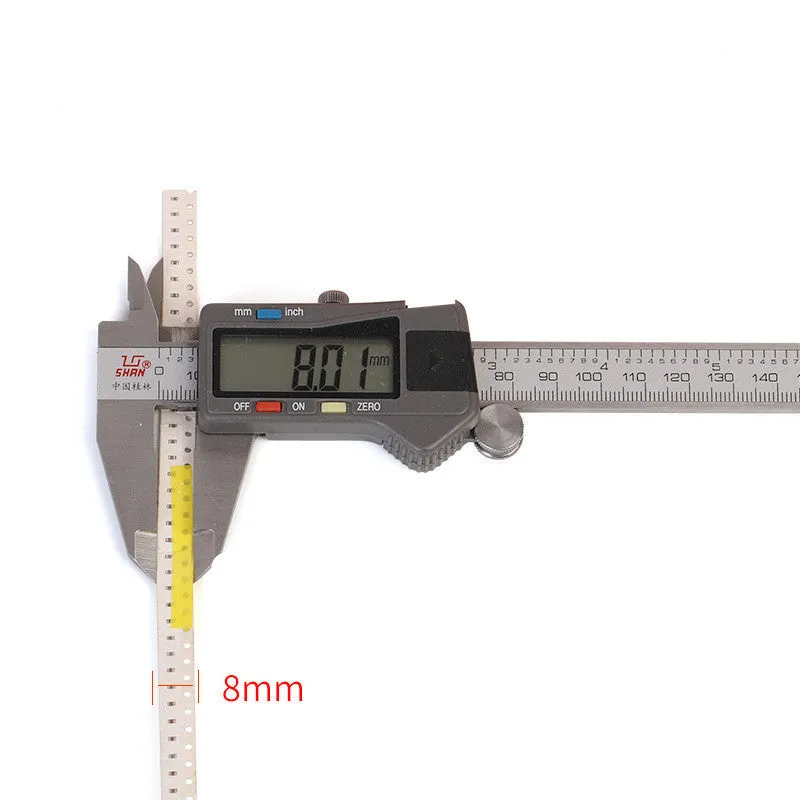
SMT double-sided splicing tape in 8mm, 12mm, 16mm, and 24mm widths for placement machine applications, featuring good viscosity and stability, available in black, blue, Nitto Gum, and yellow colour options


SMT double-sided splicing tape in 8mm, 12mm, 16mm, and 24mm widths for placement machine applications, featuring good viscosity and stability, available in black, blue, Nitto Gum, and yellow colour options
SMT Double-Sided Splicing Tape in 8mm, 12mm, 16mm, and 24mm Widths for Placement Machine Applications
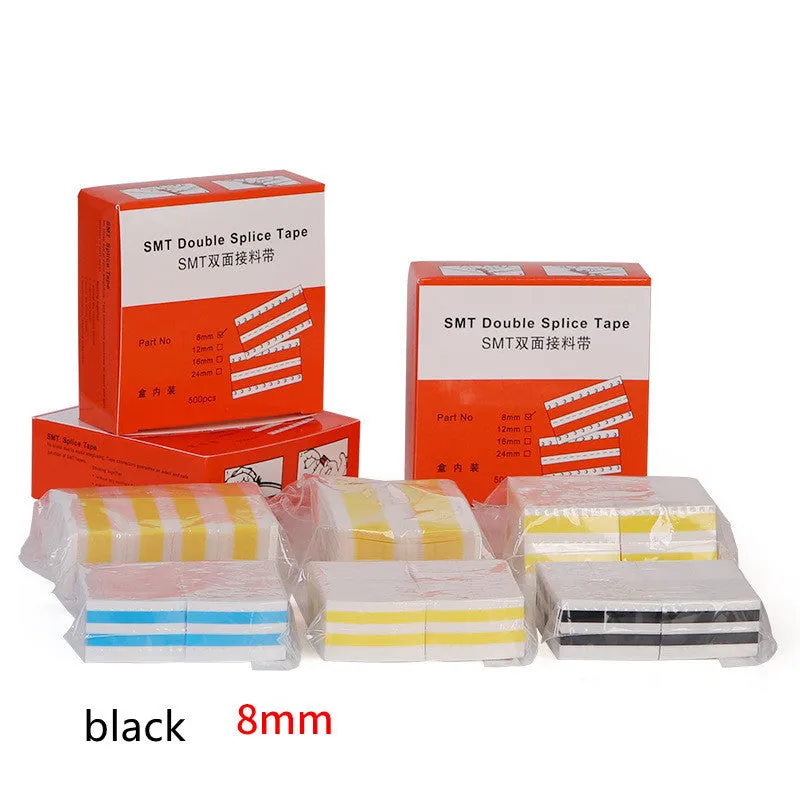
This SMT double-sided splicing tape serves a specific function in electronic manufacturing environments, particularly where placement machines are used for component assembly. Designed to provide a reliable adhesive interface, its stated features include good viscosity and stability, which are important for maintaining production line continuity. The tape is available in several standard widths to accommodate different machine setups and component sizes, with colour coding options that may help with visual identification or process tracking. With its application scope clearly defined for placement machines, it represents a practical consumable for electronics production facilities, workshops, and assembly lines where consistent splicing performance is required for automated processes.
Features and Construction

The construction of this splicing tape is centred on its functional role in placement machine operations. Its performance is described in terms of practical adhesive properties rather than abstract benefits, focusing on the stated characteristics of good viscosity and stability. This makes it suitable for environments where tape performance directly impacts manufacturing throughput and reliability.
Material and Build
The tape substrate is a key component, though the specific material is not detailed in the provided information. According to the source text, customers should contact customer service for substrate details, indicating that material specifications may vary or require confirmation based on application needs. The adhesive side provides the double-sided functionality necessary for splicing applications, with the viscosity and stability noted as positive attributes. The tape has no printing content, presenting a clean surface that may be preferable for certain optical or sensor-based placement systems.
Size and Practical Fit
Available in four distinct widths—8mm, 12mm, 16mm, and 24mm—this splicing tape offers options to match different placement machine requirements and component dimensions. The 8mm width comes in the greatest variety of colours: black, blue, Nitto Gum, and yellow. The yellow version is available across all widths (8mm, 12mm, 16mm, and 24mm), while the 12mm, 16mm, and 24mm widths appear to be offered specifically in yellow according to the model listings. This range of widths allows users to select tape appropriate for their specific machine tolerances and the size of components being spliced.
Uses and Placement

The primary use for this tape is clearly defined in the source text: placement machine applications. This indicates it is designed for integration into automated assembly processes rather than general-purpose adhesive tasks. Its role in splicing—connecting components or materials during production—makes it relevant to electronics manufacturing, PCB assembly, and similar technical environments.
Event or Professional Use
In professional manufacturing settings, this splicing tape supports placement machine operations where continuity and precision are important. The good viscosity helps ensure components remain positioned during the assembly process, while the stability may contribute to consistent performance across production runs. The availability of multiple widths allows technicians to match tape specifications to machine parameters and component sizes, potentially reducing waste and improving process efficiency. The colour options, particularly the Nitto Gum, black, blue, and yellow variants, may assist with quality control, batch identification, or compatibility with machine vision systems.
Everyday Home Use
While primarily designed for placement machine applications, this tape could potentially be used in home electronics repair or hobbyist projects where precise splicing of small components is needed. However, users should note its specifications are geared toward automated equipment, and performance in manual applications may differ. The double-sided adhesive nature makes it suitable for bonding electronic parts, securing small components, or temporary fixturing during repair work. The various widths provide flexibility for different project scales, from miniature circuitry to larger electronic assemblies.
Benefits and Buying Value
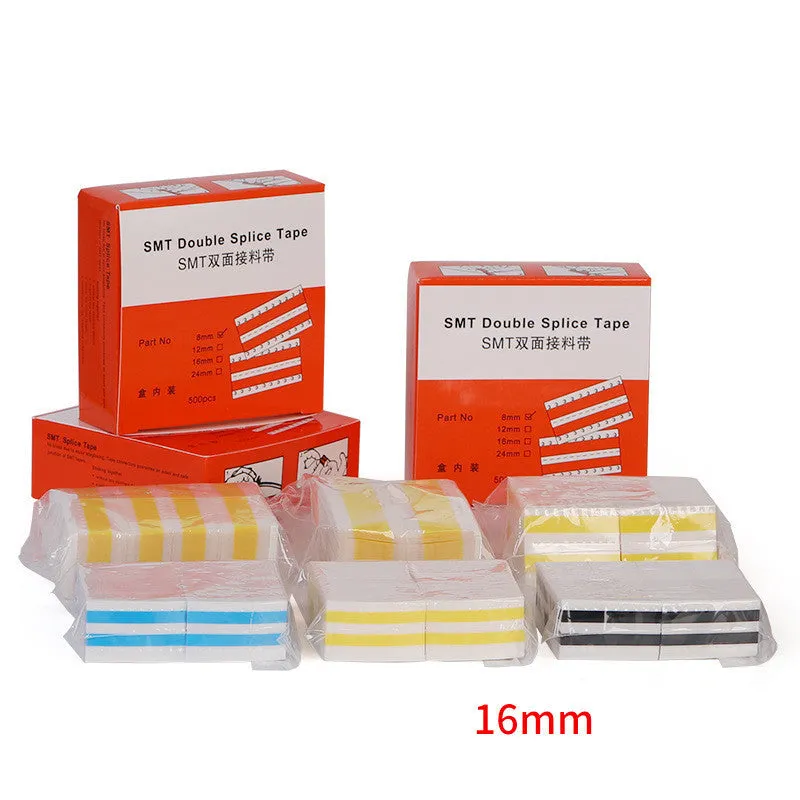
The value of this splicing tape lies in its specific application focus and the practical benefits derived from its stated features. By offering good viscosity and stability, it addresses functional requirements in placement machine environments where adhesive performance impacts overall production quality. The range of widths and colours provides options to match specific operational needs.
Reuse and Low Maintenance
As a consumable product supplied in boxed format, this splicing tape is designed for integration into regular production processes. The good viscosity and stability may contribute to reliable performance across applications, potentially reducing the frequency of tape changes or adjustments during production runs. The absence of printing on the tape surface may simplify handling and reduce potential issues with optical sensors in automated systems. Proper storage of the boxed tape in appropriate conditions can help maintain its adhesive properties between uses.
Why Choose This Product
This SMT splicing tape offers a practical solution for placement machine applications where specific width requirements and adhesive performance are important. The availability of multiple widths—8mm, 12mm, 16mm, and 24mm—allows for precise matching to machine specifications and component sizes. The colour options provide visual differentiation that may be useful for process control or compatibility with certain equipment. With its focus on good viscosity and stability rather than vague premium claims, it presents a functional choice for electronics manufacturing environments where reliable splicing supports production continuity.