Weightlifting booster hose non-slip palm protection belt for barbell dumbbell rock climbing hard pull, black free size adult grip assist belt for lifting and cross training


Weightlifting booster hose non-slip palm protection belt for barbell dumbbell rock climbing hard pull, black free size adult grip assist belt for lifting and cross training
Black Non-Slip Booster Hose Grip Belt for Weightlifting and Rock Climbing
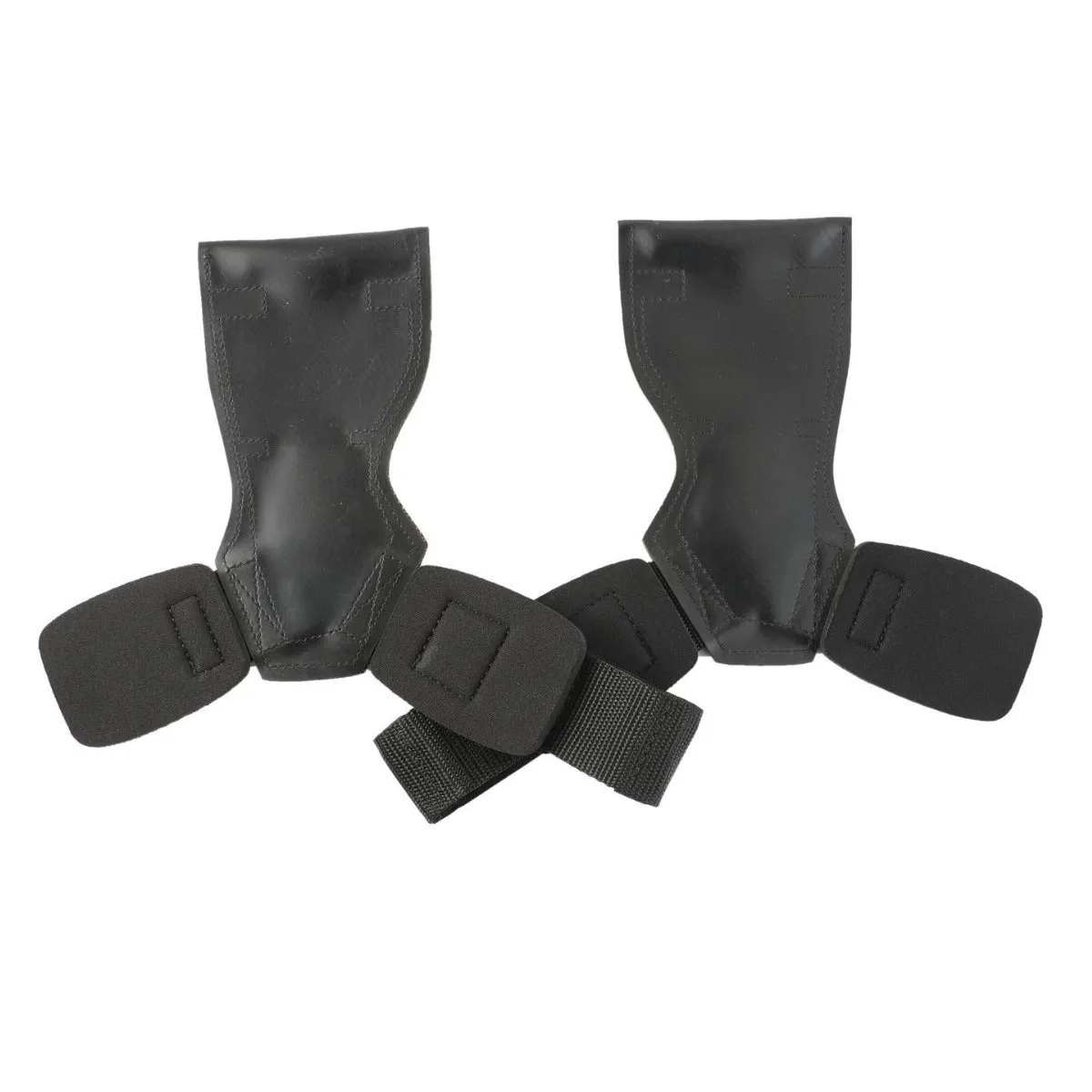
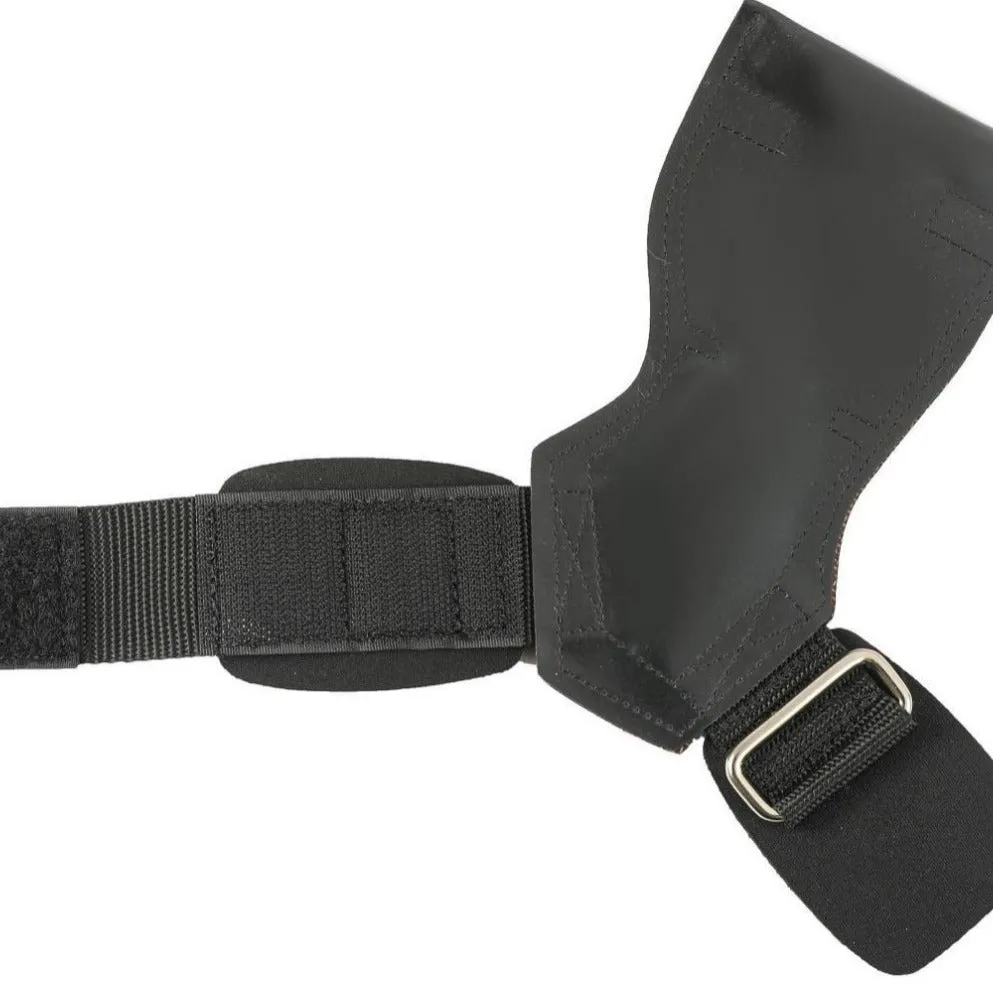
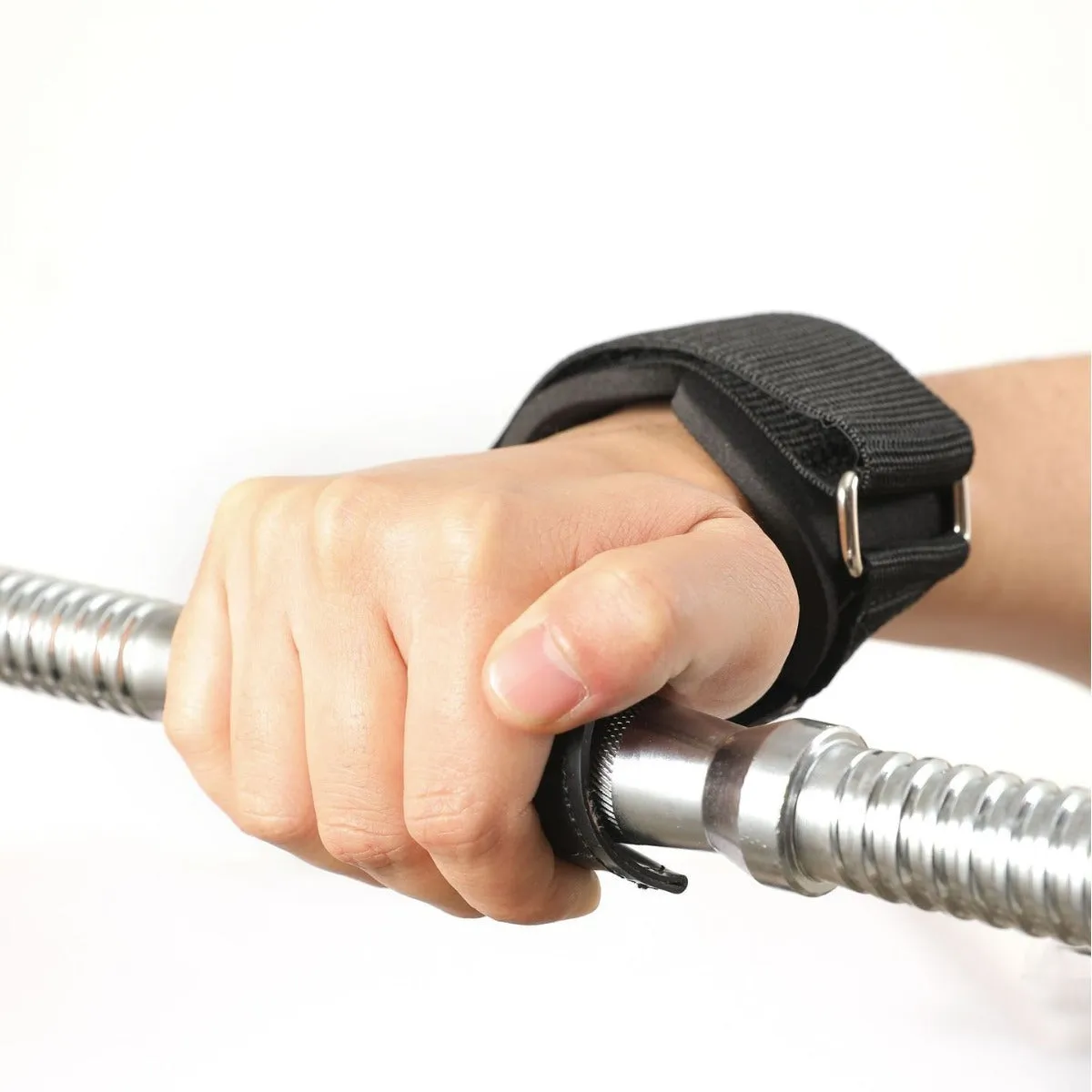
Grip strength and hand comfort are common limiting factors during intense weightlifting sessions, especially during heavy barbell deadlifts, rows, and dumbbell pulls. This booster hose belt is designed to address this by providing non-slip palm protection, helping to stabilise the bar and reduce direct pressure on the hands. Its application extends beyond the gym, as it is also specified for use in rock climbing, offering adult athletes a practical tool for improving performance in activities where secure grip is essential. The one-size-fits-all black design ensures a straightforward fit without unnecessary complexity.
Features and Construction

This product focuses on a core function: enhancing grip security and comfort. It is built around a booster hose design, which typically implies a degree of structured support. The non-slip quality is central to its performance, aiming to prevent the bar from rolling or shifting in the hand during exertion.
Material and Build
The source text identifies the product as incorporating rubber, a material chosen for its inherent grip and friction properties. This rubber construction forms the basis of the 'non-slip palm protection' and the 'booster hose' structure. The design is practical, centred on function over aesthetics, with the black colour being the sole stated option.
Size and Practical Fit
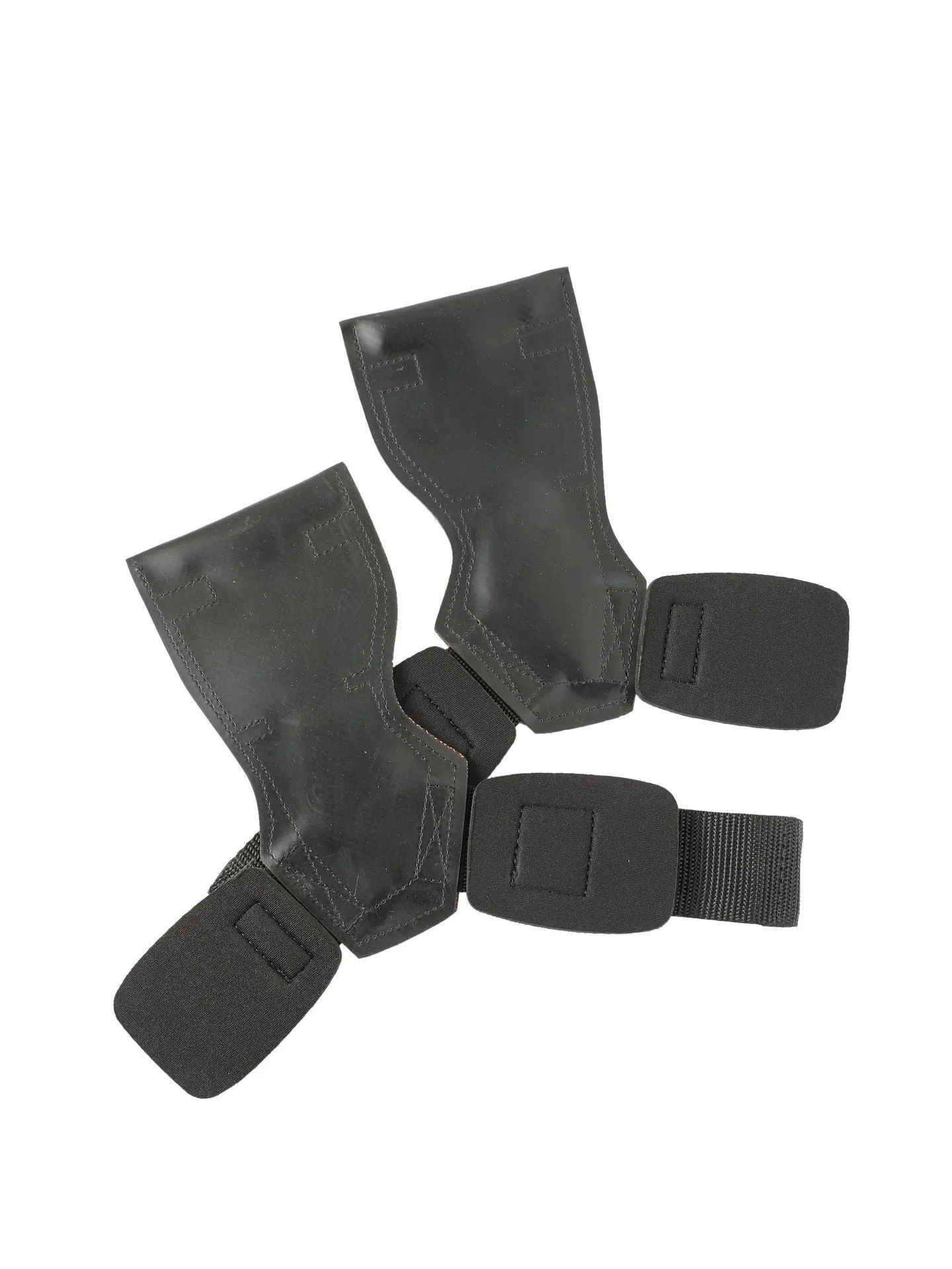
The belt is offered in a 'free size' or 'one size fits all' specification intended for adult users. This simplifies the selection process, though it may not accommodate all hand sizes with equal precision. The product is supplied as a pair, meaning one belt for each hand, which is essential for balanced support during bilateral lifts like deadlifts or for use in climbing.
Uses and Placement
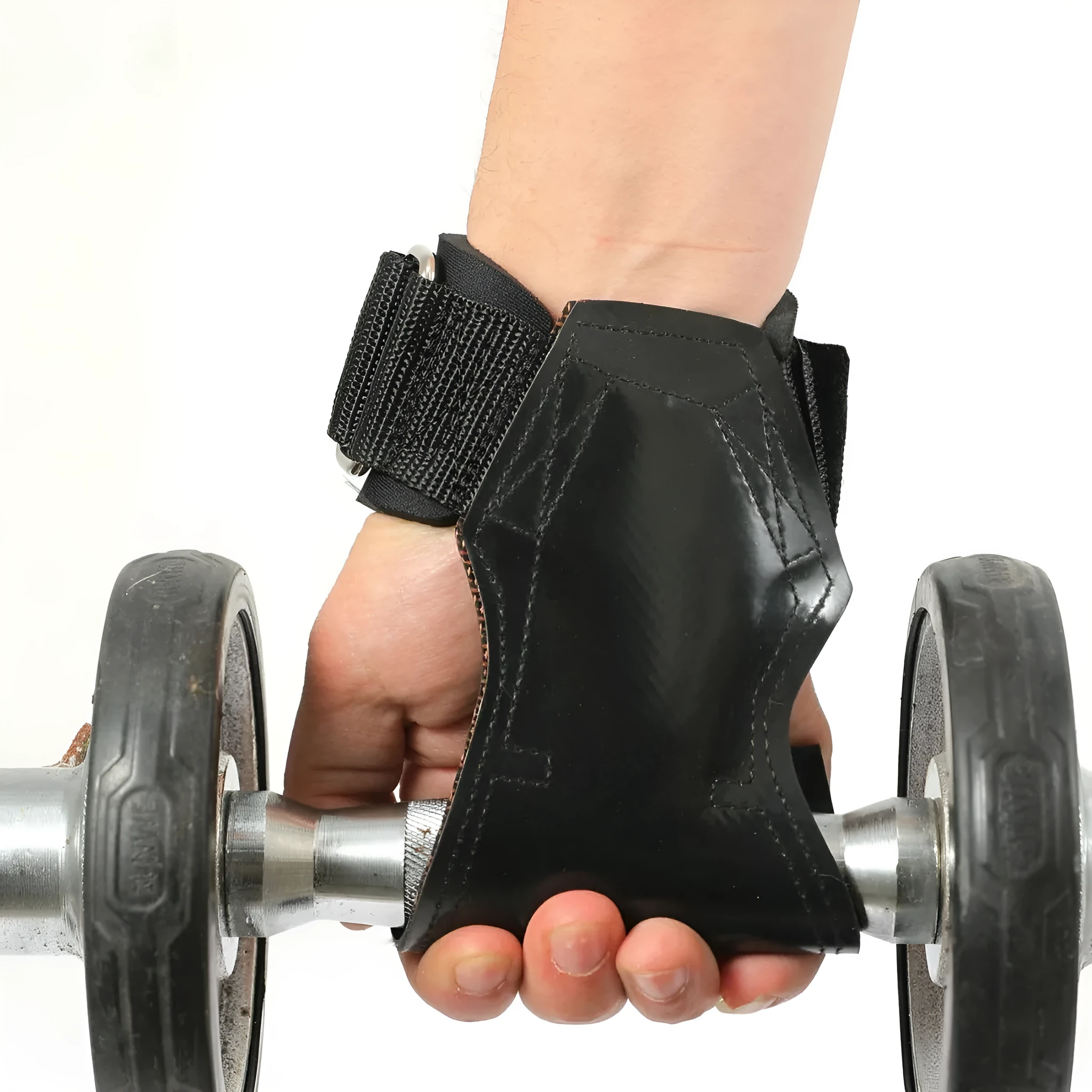
This grip belt serves a dual-purpose role across two strength-focused disciplines. Its primary design supports weightlifting movements, but its utility is validated for climbing as well, making it a versatile piece of training gear for athletes who cross-train or have diverse fitness goals.
Event or Professional Use
For rock climbers, the belt can provide additional palm friction and support during difficult holds or prolonged sessions. In weightlifting contexts, it is particularly relevant for athletes performing high-volume or maximal effort pulls, where hand fatigue and bar slip can compromise form and safety. It acts as a direct interface between the athlete and the equipment.
Everyday Home Use
For the home gym user or general fitness enthusiast, this belt offers a simple solution to common grip issues without requiring complex straps or hooks. It is easy to apply and remove, making it suitable for integration into a standard workout routine. Its benefit lies in allowing the user to focus on the target muscles of a pull without their grip failing prematurely.
Benefits and Buying Value

The value of this product is rooted in its specific, practical function. It does not claim to transform performance magically but provides a tangible piece of support equipment that addresses a recognised need in strength training and climbing.
Reuse and Low Maintenance
As a durable rubber-based accessory, it is built for repeated use across many training sessions. Maintenance is minimal; a simple wipe-down keeps it clean. Its robust construction means it is a long-term addition to a training kit, designed to withstand the rigours of heavy pulling and climbing friction.
Why Choose This Product
This belt is a focused choice for anyone whose training is hindered by grip strength or hand discomfort. It offers a more targeted solution than general lifting straps, concentrating on palm protection and non-slip security. The fact it is supplied as a ready-to-use pair for both hands, coupled with its validated use for both weightlifting and climbing, provides clear, source-supported reasons for its selection over more generic alternatives.